


I invite you to journey beyond Italy’s familiar tourist trails into a landscape where ancient stone whispers stories that have survived centuries. The very earth here seems charged with a power that challenges straightforward understanding.
Among Italy’s diverse cultural treasures, Bomarzo stands apart as perhaps the most perplexing destination. This Renaissance garden features extraordinary sculptures carved from local stone, each figure more bewildering than the last. Their symbolic meanings continue to spark debate among scholars and visitors today.
The true magic of discovering such sites lies not in checking them off a list, but in allowing their beauty and mystery to transform your perspective. This approach to travel offers an experience fundamentally different from conventional tourism—it demands contemplation and rewards those willing to look deeper.
Throughout our exploration, I’ll share not just locations and facts, but a way of seeing that transforms travel into genuine cultural enrichment. Each site becomes a meditation on humanity’s enduring fascination with artistic expression across time.
Key Takeaways
- Bomarzo represents a unique departure from traditional Italian tourist destinations
- The garden’s stone sculptures contain symbolic meanings that remain debated
- This experience emphasizes contemplation over checklist tourism
- The site offers insights into Renaissance artistic expression and cultural history
- Visiting such places provides deeper cultural enrichment than standard tours
- The sculptures challenge conventional understanding of art and symbolism
- Bomarzo invites personal interpretation and speculative engagement
Exploring Italy’s Enigmatic Legacy
The true essence of Italian heritage emerges from locations where cultural layers intersect with unexplained phenomena. These destinations offer more than visual splendor—they invite intellectual engagement with centuries of accumulated meaning.
An Introduction to Italy’s Mysteries
Beyond celebrated Renaissance masterpieces lies a parallel narrative woven into the national fabric. Scattered across the landscape are sites where conventional history blends with enduring legends.
Castles with unverified origins, underground chambers, and abandoned villages preserve stories transmitted through generations. Each location carries an atmospheric quality that transcends typical tourist experiences.
The Cultural and Historical Backdrop
Italian culture has maintained a sophisticated relationship with esoteric knowledge throughout its development. From century to century, educated people treated mystical subjects as legitimate philosophical inquiry.
This intellectual tradition manifests in architecture where pagan symbols coexist with Christian iconography within the same walls. The synthesis creates a unique cultural DNA that continues to fascinate scholars and travelers alike.
| Site Type | Example Locations | Historical Era | Key Characteristics |
|---|---|---|---|
| Architectural Puzzles | Bomarzo, Alchemic Gate | Renaissance | Symbolic carvings, hidden meanings |
| Underground Complexes | Catacombs, Cave cities | Various periods | Subterranean chambers, ritual spaces |
| Abandoned Settlements | Ghost villages, Islands | Medieval-modern | Preserved ruins, local legends |
Understanding this legacy requires appreciating how art, history, and hidden knowledge intertwine. Each site transforms from mere attraction into genuine cultural encounter.
Unraveling the History and Legends of Bomarzo
To walk through the Parco dei Mostri is to step into a dreamscape carved from the very earth. Here, stone giants defy the orderly logic of the Renaissance.
Origins and Mythical Monsters
Prince Pier Francesco Orsini created this garden in the 16th century. It was a radical act of personal expression. He transformed his grief into a landscape of fantastical beings.
The figures seem to erupt from the hillside. They are both grotesque and magnificent. This place captures something primal in the human heart.
One legendary sculpture is a massive head with a gaping mouth. You can walk inside it. This act transforms you from an observer into a participant in the garden’s strange magic.
Symbols Carved in Stone
The symbols carved here continue to puzzle people today. Scholars propose many theories. Some see alchemical allegory, while others read a narrative of personal loss.
The beauty of this art lies in its embrace of the unsettling. It gives form to parts of the mind that other art ignored. Over the years, it has attracted seekers and artists from around the world.
The true meaning may never be fully solved. But that is the enduring power of this special place. It speaks to each person across the course of time.
Discovering Mysterious Italian Places Beyond Bomarzo
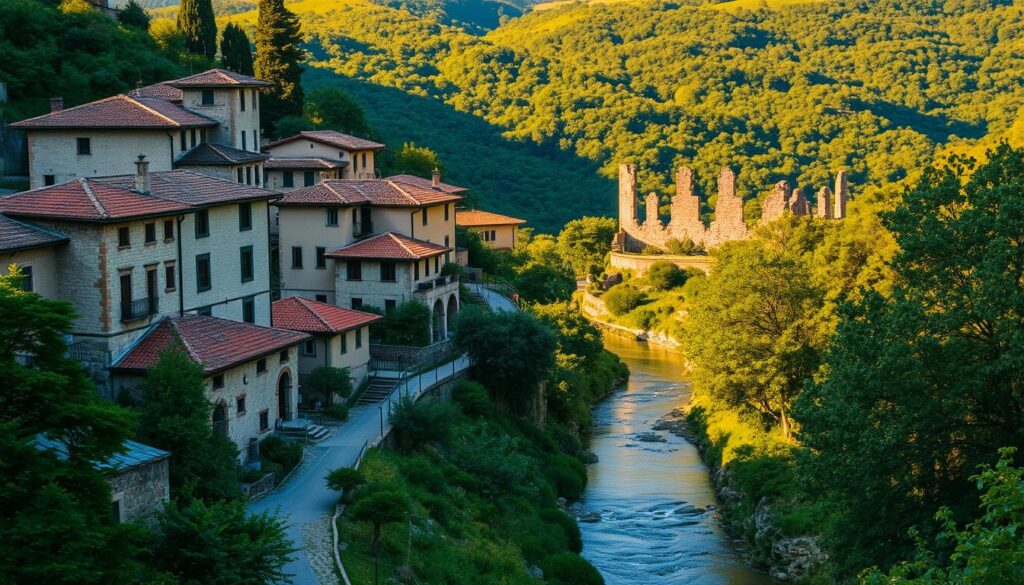
Beyond the sculpted wonders of Bomarzo stretches a tapestry of lesser-known destinations, each with stories waiting to be uncovered by curious travelers. These hidden corners exist in a parallel Italy, one that reveals itself only to those willing to venture beyond standard tourist circuits.
Hidden Corners and Off-the-Beaten-Path Sites
What I’ve discovered in my explorations is that the true magic often lies in destinations requiring genuine effort to reach. These sites lack the polished infrastructure of major attractions, but this very absence becomes part of their appeal.
From underground cities carved into living rock to islands with dark histories that keep visitors at bay, each region holds its own enigmatic treasures. Creating a personal list of such destinations transforms travel from passive consumption into active discovery.
The reward comes not just in escaping tourist crowds, but in encountering locations that retain their essential character. Each day brings the possibility of stumbling upon a forgotten building or cave system that challenges conventional understanding.
These experiences remind me that Italy’s deepest cultural layers often lie beneath the surface, waiting for patient observers to uncover them. The journey becomes as meaningful as the destination itself.
Wandering Through Italy’s Cryptic Cities and Towns
In the shadow of Rome’s famous monuments lie enclaves that tell more intimate stories about the city’s complex cultural identity. These spaces offer a different rhythm from the bustling tourist centers, inviting deeper contemplation.
Experiencing Rome’s Non-Catholic Cemetery and Beyond
I discovered the Non-Catholic Cemetery during one of my Roman wanderings. This serene place stands in quiet contrast to the city’s overwhelming Catholic presence. Established officially in 1821 but existing for years before, it represents Rome’s cosmopolitan history.
The cemetery contains an evocative collection of tombs belonging to writers, artists, and thinkers from various nations. John Keats and Percy Bysshe Shelley rest here, their graves speaking to the Romantic era’s tragic beauty. Italian intellectuals like Antonio Gramsci also found their final home within these walls.
What struck me most was the architectural layering of different eras. The ancient Pyramid of Cestius, predating the cemetery by nearly two millennia, creates a remarkable temporal dialogue. William Wetmore Story’s Angel of Grief sculpture captures the heart of this space—beauty born from profound loss.
Visiting today offers respite from the crowds that flock to more famous sites. Few tourists find their way here, allowing for genuine reflection. Each tomb tells personal stories of exile, artistic passion, and the eternal pull this city exerts on creative people.
This cemetery embodies cultural traditions that might otherwise be forgotten. It demonstrates how art and memory intertwine across centuries, creating a living tapestry of human experience.
The Magic of Italy’s Iconic Landscapes and Islands
Stepping onto an Italian island feels like entering a different dimension, where time slows and ancient maritime traditions continue to shape contemporary existence. The relationship between land and water defines every aspect of life in these coastal enclaves.
Coastal Charms: Procida and Favignana
Procida, just a short ferry ride from Naples, offers an antidote to crowded tourist destinations. Colorful buildings cascade toward jewel-toned waters where fishermen still unload their daily catch.
The island’s magic reveals itself in unexpected moments. You might hear the mozzarella vendor calling through cobblestone streets or witness elderly women emerging with coins clutched tight. These daily rituals create continuity in our rapidly changing world.
Favignana presents a wilder, more remote beauty. This butterfly-shaped island off Sicily’s coast captured filmmakers’ attention for The Talented Mr. Ripley. Its landscapes evoke a particular Mediterranean quality that feels untouched by time.
Both islands demonstrate how stepping away from the mainland transforms travel. People here have space for genuine curiosity rather than tourist exhaustion. Of course, recommending specific destinations carries responsibility.
Mountain Towns and Whimsical Villages
Inland regions offer their own distinctive character. Mountain villages preserve traditions where the rhythm of life follows seasonal cycles rather than tourist schedules.
The beauty of discovering these locations lies in their authenticity. Each visit becomes a personal encounter rather than a checklist experience.
Embracing Local Legends and Cultural Traditions
What I’ve discovered in my travels is that the most profound cultural encounters occur not in famous monuments but in the living traditions of small towns. These communities preserve rituals that structure daily life and mark the passage of seasons.
Life in Bevagna and Sulmona
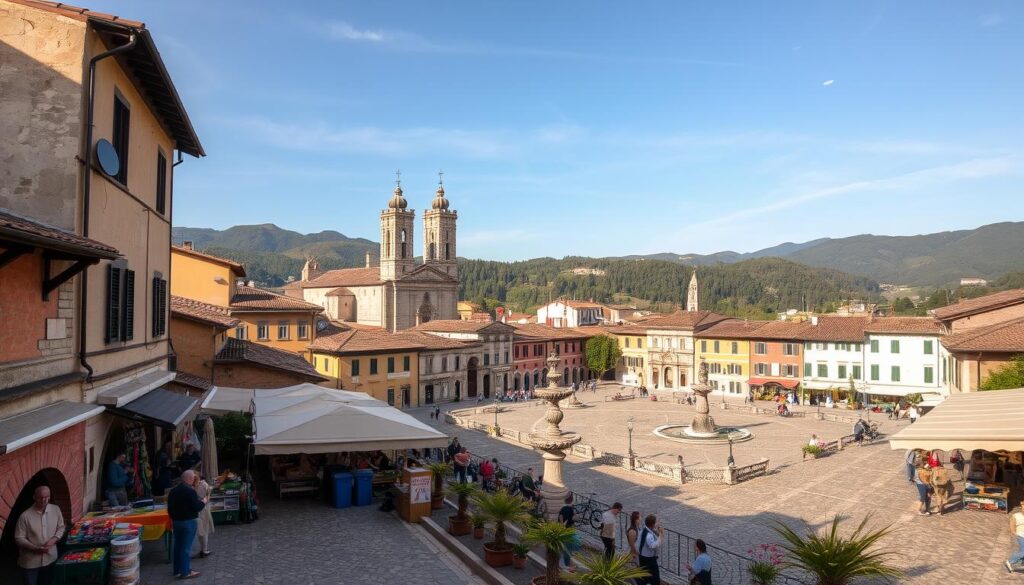
Bevagna rests in a river bend rather than atop the typical Umbrian hill. This unique setting creates an intimate atmosphere where local people maintain centuries-old customs.
Each evening, elderly men bring chairs into the streets to share stories. This simple ritual reveals the heart of community life. The town’s beauty lies in these unscripted moments.
Sulmona in the Abruzzo region presents a different charm. Whimsical architecture frames mountain vistas while vibrant street life continues through the night. Teenagers stroll arm-in-arm while grandmothers fuss over babies.
Festivals and Timeless Traditions
Bevagna’s Mercato delle Gaite festival recreates medieval life with remarkable authenticity. Artisans demonstrate manuscript illumination and textile dying as part of living history, not tourist spectacle.
Sulmona maintains its confetti-making tradition—candied almonds and fruit peels that represent continuous craft practice. These events connect present-day residents with their heritage.
| Town | Region | Key Feature | Cultural Highlight |
|---|---|---|---|
| Bevagna | Umbria | River valley location | Medieval market festival |
| Sulmona | Abruzzo | Mountain framing | Confetti craftsmanship |
The experience of visiting these towns transforms typical tourism. You leave with more than photos—you carry genuine understanding of how traditions shape community identity across time.
Decoding Occult Symbols and Esoteric Architecture
One of Rome’s most perplexing artifacts stands quietly in Piazza Vittorio Emanuele, a stone riddle from another era. This portal represents a different strand of Renaissance thinking—one that embraced hermetic knowledge alongside conventional religious expression.
The Alchemic Gate of Rome and Hidden Inscriptions
The Porta Magica survives as the sole remnant of Villa Palombara, a noble residence from the 17th century. Its walls bear alchemical symbols that continue to challenge interpretation today. This building fragment reveals how esoteric interests flourished within aristocratic culture.
According to local legend, a pilgrim once searched this place for an herb that could produce gold. The man vanished, leaving behind golden straws and cryptic inscriptions. The story suggests this house held secrets known to few.
Over the years, scholars have debated the gate’s true meaning. The art carved into stone speaks to a parallel intellectual tradition in the city. It reminds us that Renaissance thinking embraced many paths to knowledge.
This monument connects us to a world where material and spiritual transformation intertwined. The pursuit of gold represented more than wealth—it symbolized enlightenment itself.
Journeying Through Italy’s Haunted and Mystical Sites
Some Italian destinations carry a weight that transcends their physical beauty, where history’s darker chapters seem to linger in the very atmosphere. These are not typical tourist spots but locations where profound human experiences have left an indelible mark.
Visiting them requires a mindset open to contemplation rather than thrill-seeking. It is an engagement with the past on its own terms.
The Forbidden Island of Poveglia
The island of Poveglia rests silently in the Venetian lagoon, officially closed to the public. Its grim history as a plague quarantine station and later a mental hospital has saturated the land with stories of suffering.
A dark legend tells of a doctor who performed cruel experiments within the asylum’s walls. He allegedly went mad and vanished. Many people believe the souls of those who died there curse the place.
Tales from Catacombs and Underground Cities
Beneath the city of Palermo, the Capuchin Catacombs present a startling spectacle. Over 8,000 mummies line underground corridors, dressed in their period clothes.
Some visitors report hearing whispers in the chambers. Others claim their photo evidence shows subtle changes between visits.
Further north, a vast network of caves connects the towns of Camerano and Osimo. This underground labyrinth spans roughly 9 kilometers. It contains early Christian crypts and pagan symbols carved into the stone walls.
In Liguria, the village of Triora bears the nickname “Witches’ Village.” During a famine in the late 1500s, hundreds of women were accused of witchcraft. The events that followed left a permanent shadow.
Even serene settings like Lucca’s municipal gardens hold dark tales. A legend speaks of a noblewoman who allegedly murdered her lovers. Her face is said to appear in the pond’s waters on a full moon night.
These sites challenge us to acknowledge the complex layers of history that shape a place. They are powerful reminders of stories often left untold.
Conclusion
What becomes clear after visiting these destinations is that Italy’s cultural richness extends far beyond its celebrated masterpieces. This selective list of remarkable places represents only a small part of what awaits curious travelers willing to venture deeper.
The approach I’ve shared throughout this exploration values authentic engagement over checklist tourism. It’s about allowing each experience to transform your perspective over time. This philosophy speaks to the heart of meaningful travel.
Of course, not every traveler will resonate with this emphasis on deeper discovery. Some people prefer well-documented attractions, and that preference deserves respect. Travel should serve your personal interests.
My hope is that this journey has expanded your sense of what’s possible. Italy reveals its secrets gradually to those willing to look beyond the surface. The country’s complex history and vibrant culture create an endless tapestry of discovery.
Each encounter with unconventional art and architecture offers fresh perspectives. These experiences remind us that the most rewarding journeys often lie just off the beaten path.