

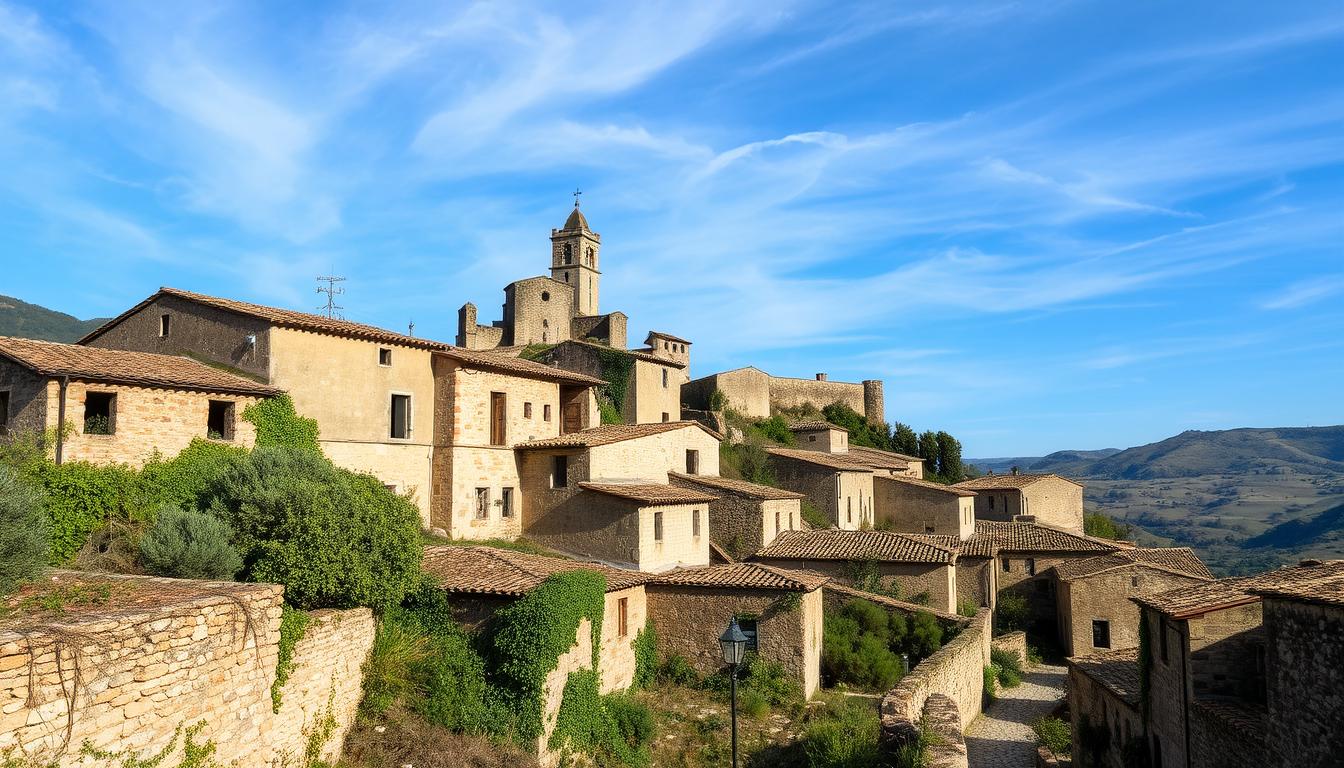
I first encountered Rocchetta al Volturno on a misty autumn morning, its stone structures emerging from the hills like fragments of a forgotten dream. This settlement stands as one of Italy’s most evocative hidden italian villages, a place where time has seemingly paused its relentless march.
The atmosphere here resists typical tourist narratives. Instead, you’ll find an encounter with profound silence and the haunting beauty of decay. Each crumbling facade tells a story of lives once lived, of a community that gradually slipped into quiet abandonment.
This town embodies the melancholic poetry of depopulation that has swept through Italy’s interior region. Unlike more famous destinations, Rocchetta offers a journey that transcends mere sightseeing. It invites contemplation about places existing outside contemporary life’s frantic rhythm.
Exploring this village requires venturing beyond conventional itineraries. The reward is an authentic cultural encounter that few travelers experience. You’ll discover architecture, history, and landscape through a reflective lens that reveals Italy’s complex relationship with its past.
The Molise town serves as a portal into understanding how modernity has reshaped the country. Each visit to this remarkable village becomes a personal meditation on memory, loss, and the enduring power of place.
Key Takeaways
- Rocchetta al Volturno offers a unique experience beyond typical tourist destinations
- The village represents Italy’s broader phenomenon of rural depopulation
- Visiting requires willingness to explore off-the-beaten-path locations
- The site provides insight into Italy’s complex historical and cultural layers
- Abandoned architecture tells compelling stories of past communities
- The experience emphasizes reflection and cultural understanding over sightseeing
- Molise region contains many undiscovered historical treasures
Introduction to Rocchetta al Volturno
Perched strategically above the Volturno valley, this stone-built town commands attention with its silent presence. The settlement clings to a steep hill in Molise, Italy’s least-visited region. Ancient pathways wind through the medieval layout, revealing structures that have witnessed centuries of change.
This area developed as an agricultural community sustained by modest regional resources. The town’s origins trace back to medieval foundations, evolving through generations of rural life. Stone houses cluster together, creating a defensive pattern against the hillside.
Economic migration during post-war decades gradually emptied the village of inhabitants. What remains is an architectural time capsule, perfectly preserved in its abandonment. The town now exists in a liminal space between past and present.
| Medieval Feature | Current Condition | Historical Significance |
|---|---|---|
| Stone defensive walls | Partially intact | Protected against invasions |
| Narrow alleyways | Well-preserved | Medieval urban planning |
| Hilltop positioning | Strategic advantage maintained | Commanding valley views |
Rocchetta al Volturno represents Molise’s forgotten landscapes with profound authenticity. Travelers seeking meaningful encounters will find this town offers rare insight into Italy’s layered history. The experience transcends typical tourism, inviting personal reflection on time and place.
Uncovering the Charm of Hidden Italian Villages
Driving through Italy’s lesser-known regions, I’ve found that the most profound discoveries often lie where the tourist buses don’t stop. While famous destinations draw crowds, the true essence of this country often reveals itself in quiet settlements like Rocchetta al Volturno. These places offer a counterpoint to the overwhelmed beauty of mainstream attractions.
The absence of crowds creates space for genuine contemplation. Silence amplifies architectural details that might otherwise go unnoticed. Emptiness allows imagination to populate streets with lives once lived there.
This way of traveling challenges how we value cultural significance. It suggests that a place’s worth isn’t measured by visitor numbers. The beauty found in these forgotten corners offers lessons about authenticity and transience.
Seeking out these destinations becomes a philosophical journey. It moves beyond simplified narratives to encounter Italy’s complex layers. The reward is an experience that feels both personal and profoundly connected to the land.
A Haunting History: The Story Behind the Ghost Village
The history of this abandoned settlement unfolds like a layered tapestry, with threads of medieval origins interwoven with modern economic realities. This town’s story reflects Italy’s broader rural transformation during the post-war period.
Walking through empty houses, I reconstruct the rhythms of agricultural life that sustained generations of people here. Each doorway frames a different chapter in the village’s history.
Economic hardship and the lure of industrial jobs in northern cities gradually emptied this community. Natural disasters further accelerated the departure, creating a temporal rupture where time seems suspended.
The emotional history lingers in these spaces—accumulated hopes and tragedies of people who once animated these streets. Their presence remains palpable despite their absence.
Broader historical forces shaped this town’s fate, from national unification to the economic miracle that drew people away. What histories were lost when the last families left?
Now, the ruins create alternative histories, attracting travelers seeking encounters with Italy’s ghostly dimensions. This village stands as a testament to changing ways of life.
Architectural Mysteries and Abandoned Houses
I discovered architectural intelligence in the most unexpected places—the narrow streets and vertical organization of Rocchetta’s abandoned structures. These stone houses demonstrate how medieval builders worked with the hillside rather than against it. Their placement creates a settlement that feels organic to the landscape.
Thick stone walls reveal sophisticated thermal regulation principles. They keep interiors cool in summer and retain warmth during winter. The narrow streets provide natural shade and wind protection.
Inside these houses, fragmentary evidence creates haunting narratives. A calendar frozen on a specific date. Faded photographs left on crumbling mantels. These remnants transform empty spaces into personal histories.
The village church stands as the settlement’s enduring centerpiece. Its stone construction has outlasted the community it once served. Religious architecture often becomes the last witness to forgotten lives.
Nature gradually reclaims these structures through vegetation and water damage. This decay creates accidental beauty while raising preservation questions. Should we interfere with this natural progression?
These abandoned houses offer lessons in sustainable building that modern architecture often ignores. They represent vernacular traditions shaped by environmental challenges and limited resources.
Deserted Streets, Silent Gardens, and Lost Time
My footsteps echoed with a startling clarity on the cobblestones, the only sound breaking the profound stillness of Rocchetta al Volturno’s deserted streets. This emptiness is not a void but a space filled with imagination. I could almost hear the vanished chatter of neighbors and the clatter of daily life.
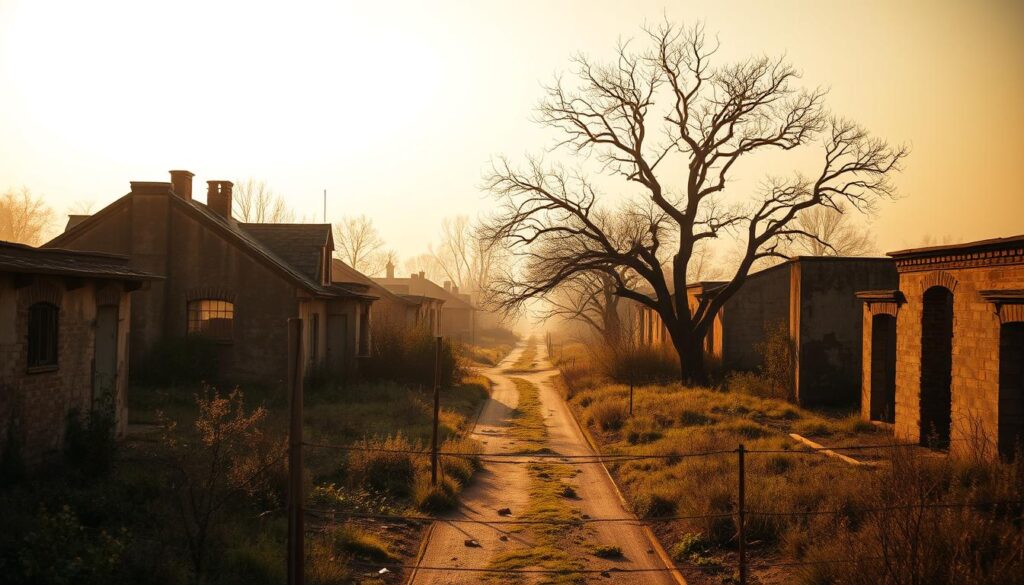
Adjacent to each silent home, overgrown gardens tell their own stories. What were once orderly plots for sustenance have been reclaimed by nature. Wildflowers and vines now weave through the remnants of vegetable patches.
This transformation creates a beautiful, accidental landscape. It blurs the line between human design and natural process.
Here, time feels suspended. The absence of modern activity creates a dreamlike atmosphere. Past and present coexist in a quiet, melancholic harmony.
| Garden Feature (Past) | Current State | Symbolic Meaning |
|---|---|---|
| Cultivated herb beds | Wild, fragrant thickets | Nature’s reclamation |
| Neat stone pathways | Crumbling, moss-covered | The passage of time |
| Fruit trees | Gnarled, bearing untended fruit | Enduring life cycles |
This place offers a powerful lesson in transience. The silent gardens and empty streets are not sad. They are a poignant reminder of the layers of history present in this remarkable village.
Legends and Local Folklore
As I listened to the wind whisper through empty windows, I realized that Rocchetta’s true inhabitants might be the stories and legends that refuse to die. Folklore has become the living memory of this place, preserving what physical decay threatens to erase.
Ghost Stories and Myths
The supernatural tales surrounding this abandoned town reveal deep psychological truths. Local legends speak of figures who wander the silent streets, representing the community’s collective memory.
These ghost stories encode anxieties about mortality and the persistence of the past. They transform empty spaces into landscapes of meaning and connection.
Historical Anecdotes from Local Locals
Conversations with people who maintain ties to Rocchetta uncover rich historical anecdotes. Former residents share memories of festivals and daily life before abandonment.
These personal stories keep the human dimension alive across time. They offer glimpses into the vibrant community that once animated these stone walls.
Oral history becomes a powerful form of preservation. It maintains the village’s presence in cultural memory despite physical deterioration.
Comparing Ghost Villages with Bustling Italian Towns
There exists a fundamental tension in Italian travel between seeking authentic solitude and craving vibrant human connection. The choice between visiting abandoned settlements and bustling urban centers reveals much about our travel motivations.
| Experience Type | Ghost Villages | Living Towns |
|---|---|---|
| Atmosphere | Contemplative silence | Vibrant energy |
| Cultural Exchange | Historical immersion | Contemporary interaction |
| Visitor Experience | Solitude and reflection | Sensory richness |
The hard truth is this: if you go to a touristed destination you will be surrounded by three types of people: Tourists, people who are tired of tourists, people looking to take advantage of tourists.
I travel for the way of life. The food, yes, but also the feeling of connection with local people. Bustling cities offer this human dimension that ghost towns cannot provide.
Yet both places hold value. The silence of abandoned settlements deepens appreciation for animated towns. The most rewarding approach balances both experiences, allowing each to illuminate the other.
Scenic Landscapes: Mountains, Coastlines, and Natural Beauty
The landscape surrounding Rocchetta al Volturno is not merely a backdrop; it is the primary character in its story. The Apennine mountain ranges cradle the settlement, their forested slopes creating a dramatic natural amphitheater. This setting historically isolated the community, yet now provides breathtaking views for the contemplative visitor.
Mountain Vistas and Rural Views
Molise’s terrain possesses a gentler, more Mediterranean character than the jagged Dolomites. Here, the beauty lies in the harmonious interplay of rolling hills, deep valleys, and scattered rural settlements. From the village’s elevated perch, the view unfolds a topographical tapestry of undeveloped, agricultural land.
Each season paints these mountain landscapes with a distinct palette. Winter snow brings a stark silence, while spring covers the hills in wildflowers. Summer heat shimmers over the valleys, and autumn sets the woods ablaze with color.
Coastal Charm and Serene Days
Remarkably, this interior region lies within a short drive of the Adriatic sea. The proximity of mountain and coast creates a unique cultural and ecological condition. A single day can encompass the quiet majesty of the peaks and the serene expanse of the coastline.
The region’s beaches offer a different, quieter pace compared to Italy’s crowded shores. This contrast deepens the travel experience, connecting the lonely beauty of abandoned villages with the timeless rhythm of the sea.
Spending a day exploring these views rewards slow travel. The combination of dramatic landscapes and historical silence creates a rich, aesthetic journey that feels profoundly authentic.
Preserving Heritage: UNESCO and Molise’s Legacy
UNESCO’s global recognition system presents an interesting paradox when applied to places like Rocchetta al Volturno. While sites like Bergamo’s historic center earn UNESCO World Heritage status for their Renaissance architecture, vernacular settlements often remain overlooked. This framework tends to privilege monumental heritage over everyday cultural landscapes.
In Molise, preservation faces unique challenges. Limited resources and depopulation complicate conventional restoration. Alternative approaches like controlled ruination or digital documentation might better serve these sites’ liminal character than traditional methods.
| Heritage Type | Preservation Approach | Cultural Value |
|---|---|---|
| UNESCO World Heritage Sites | Strict conservation protocols | Internationally recognized significance |
| Vernacular settlements | Adaptive, context-sensitive methods | Local cultural memory and identity |
| Abandoned communities | Documentation and selective stabilization | Historical narratives of change |
The world heritage designation paradoxically risks transforming authentic places through tourism. Rocchetta’s obscurity may preserve its essential character better than official recognition would. This region teaches us that heritage exists beyond institutional frameworks.
Day Trips and Itinerary Ideas Around Molise
Renting a car became our passport to authenticity, unlocking a territory where spontaneity is the greatest itinerary. This region rewards those who embrace the open road, with each day offering new discoveries beyond Rocchetta al Volturno.
Recommended Routes and Stops
I found that crafting a circular route creates the most rewarding trip. Begin your day exploring Rocchetta, then drive toward Pietrabbondante’s ancient theater. The journey itself through this area reveals stunning views.
Stop at small places like Castel San Vincenzo for lunch. Local trattorias serve authentic Molisan cuisine. Allow time for unplanned detours—these often become the top moments of your day.
| Itinerary Focus | Key Stops | Travel Time |
|---|---|---|
| Historical Route | Abandoned settlements, archaeological sites | Full day exploration |
| Cultural Immersion | Artisanal producers, living communities | Flexible half-day trips |
| Natural Discovery | Nature reserves, mountain viewpoints | Morning or afternoon excursions |
Travel Tips for a Memorable Day Trip
Your car provides freedom, but planning ensures satisfaction. I learned to visit restaurants early to reserve tables for evening meals. This way guarantees authentic dining experiences.
The best things often happen between planned stops. Leave room for curiosity. A wrong turn might lead you to watch locals drying tomatoes in the sun, creating lasting memories.
This area teaches that the journey matters as much as the destination. Each trip through Molise becomes a personal narrative of discovery.
Experiencing Authentic Local Life in Abandoned Villages
Beyond the silent stones of Rocchetta, the true pulse of Molise beats in nearby communities and their culinary heritage. The paradox of finding vibrant life around abandoned spaces reveals Italy’s complex cultural continuity.
Savoring Local Cuisine and Traditions
I discovered that authentic experiences require connecting ghost villages with living communities. In nearby trattorias, locals preserve food traditions that once animated these hills.
Molise’s culinary identity reflects its agricultural roots. Unlike Bologna’s famous mortadella and rich pasta traditions, this region offers earthy, resourceful cooking.
| Traditional Dish | Key Ingredients | Cultural Significance |
|---|---|---|
| Cavatelli pasta | Durum wheat, water | Hand-shaped pasta showing artisan skill |
| Peasant soup | Legumes, wild greens | Historical adaptation to limited resources |
| Local wine varieties | Native grapes | Terroir expression of Molise’s landscape |
Seeking out family-run establishments becomes the best way to encounter this living heritage. The people maintaining these traditions offer genuine connections to the region’s soul.
Supporting local producers ensures these culinary arts continue. Each meal becomes a bridge between past and present.
Seasonal Contrasts: Winter Magic vs. Summer Dreams
I’ve learned that visiting Rocchetta al Volturno in winter versus summer feels like encountering two different places. Each season reveals distinct dimensions of this abandoned settlement. The changing light and weather create entirely separate experiences of the same stones.
Winter Stays: The Ghostly Allure
Winter transforms the village into its most authentic state. Short days and potential snow enhance the melancholic atmosphere. Fog often shrouds the valley, making the empty structures emerge like apparitions.
This time of year amplifies the sense of suspended time. The cold air seems to preserve memories within the stone walls. You’ll likely have the entire place to yourself for contemplation.
Summer Excursions: Bright Days, Quiet Nights
Summer offers a different way to experience Rocchetta. Long days allow extended exploration of every alleyway. The warm weather makes wandering more comfortable physically.
Yet the vibrant vegetation can obscure architectural details. The contrast between nature’s abundance and human absence becomes particularly poignant. Each summer day here feels both peaceful and strangely lively.
The ideal approach involves multiple visits across seasons. This way, you understand how time itself shapes your perception of this remarkable village.
Traveling Off the Beaten Path in Italy
Spinning a globe reveals Italy’s deceptive scale, where cultural richness extends far beyond crowded monuments. This country offers extraordinary diversity that most tourists never experience. They follow well-worn routes to Rome, Florence, and Venice, missing the authentic character found elsewhere.
Conventional travel patterns concentrate visitors in a handful of cities. Guidebooks and social media amplify these destination choices. The result? Travelers jostle through famous sites without genuine connection.
Venturing beyond requires different skills. Flexibility and cultural sensitivity become essential. You must embrace ambiguity and imperfect communication.
| Travel Approach | Primary Focus | Visitor Experience |
|---|---|---|
| Conventional Itineraries | Famous monuments and cities | Crowded, mediated experiences |
| Off-the-Beaten-Path | Regional character and local life | Solitude and personal discovery |
| Mixed Approach | Balancing famous and obscure | Comparative understanding |
Choosing places like Molise constitutes resistance against travel homogenization. You construct personal relationships rather than consuming pre-packaged narratives. This way of traveling transforms your entire trip.
Even a small island or remote valley reveals Italy’s true complexity. The reward? Encounters with people whose lives aren’t structured around tourism. You discover the country through personal exploration rather than mediated representation.
This approach requires courage but offers profound satisfaction. Each unconventional destination becomes a chapter in your unique Italian story. It’s the best way to understand this remarkable land.
Inspiring Hidden Gems: Other Lesser-Known Italian Destinations
While Rocchetta al Volturno offers a unique experience, it represents just one example of Italy’s many overlooked destinations. I’ve discovered remarkable places across different regions that share its authentic character.
Bevagna stands out among Umbrian medieval towns for its riverside location rather than typical hilltop positioning. As evening falls, locals gather in the streets, creating genuine community moments.
Procida offers a compelling alternative to the famous Amalfi Coast. This small island near Naples preserves traditional fishing culture. Colorful houses line the port where fishermen unload their daily catch.
Favignana, a butterfly-shaped island off Sicily’s coast, remains largely unknown to international visitors. Its stunning beaches provide coastal experiences beyond crowded destinations.
These towns and cities share architectural integrity and living traditions. They challenge simplified stereotypes about this country. Exploring them reveals Italy’s true complexity.
Every area contains castle settlements and coastal towns waiting for discovery. They reward travelers seeking depth beyond conventional itineraries.
Capturing Ghostly Beauty: Photography and Storytelling Tips
Capturing the haunting quality of Rocchetta’s empty streets involves navigating complex questions about representation and memory. The camera becomes both documentarian and interpreter in these spaces.
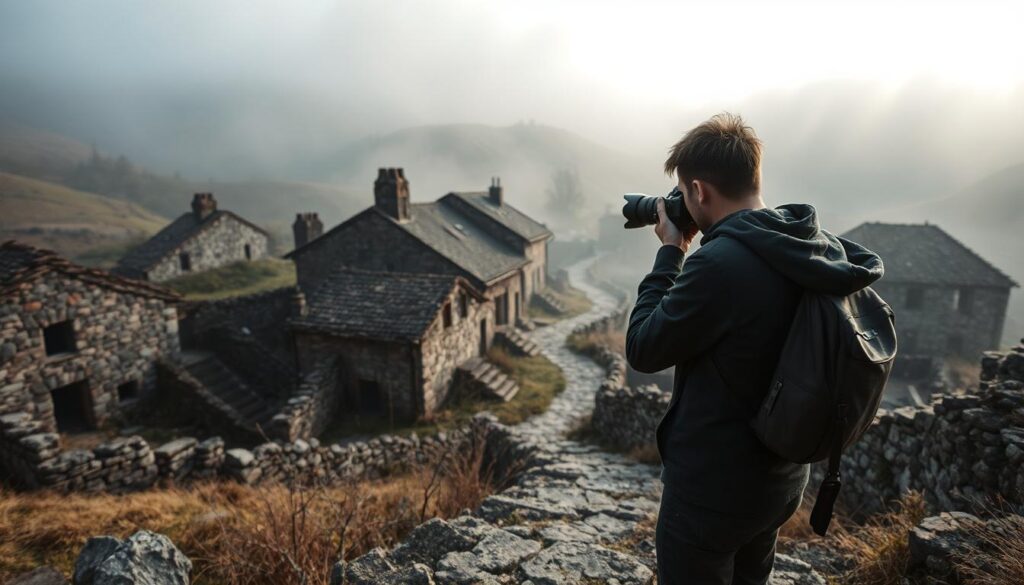
Photographing abandoned houses requires sensitivity to lighting challenges and spatial relationships. Early morning or late afternoon light often reveals the most compelling views of architectural details.
The ethical dimension of this work cannot be overlooked. When does documenting decay become aestheticizing loss? I’ve found the best way honors the human stories behind the abandonment.
| Photographic Style | Technical Approach | Ethical Considerations |
|---|---|---|
| Documentary | Natural light, minimal editing | Focuses on factual representation |
| Fine Art | Creative composition, mood enhancement | Risk of romanticizing hardship |
| Urban Exploration | Dynamic angles, interior shots | Respect for property boundaries |
Spending extended time in this place allows for more nuanced photography. Multiple visits reveal how changing conditions affect the beauty of the village.
The most meaningful things I’ve captured emerged from patient observation. This approach transforms superficial views into deep understanding of the place.
Storytelling should complement visual documentation. Researching historical context adds depth to images of these silent streets. The resulting work captures both the visual beauty and human dimension of abandonment.
Conclusion
Rocchetta al Volturno teaches us that some places gain their deepest meaning through absence rather than presence. This abandoned village in Molise is more than a curiosity—it’s a portal to understanding Italy’s complex relationship with time and memory.
Your trip here becomes a meditation on transience. Unlike bustling city destinations, this ghost town demands quiet contemplation. The empty streets speak volumes about the people who once called this place home.
At the heart of meaningful travel lies this willingness to engage with difficult beauty. A visit to Rocchetta transforms how you see Italy’s entire region. It reveals layers beyond romantic stereotypes.
The true destination isn’t on any map—it’s the understanding you carry forward. This place reminds us that the most profound journeys change us long after we return home.