

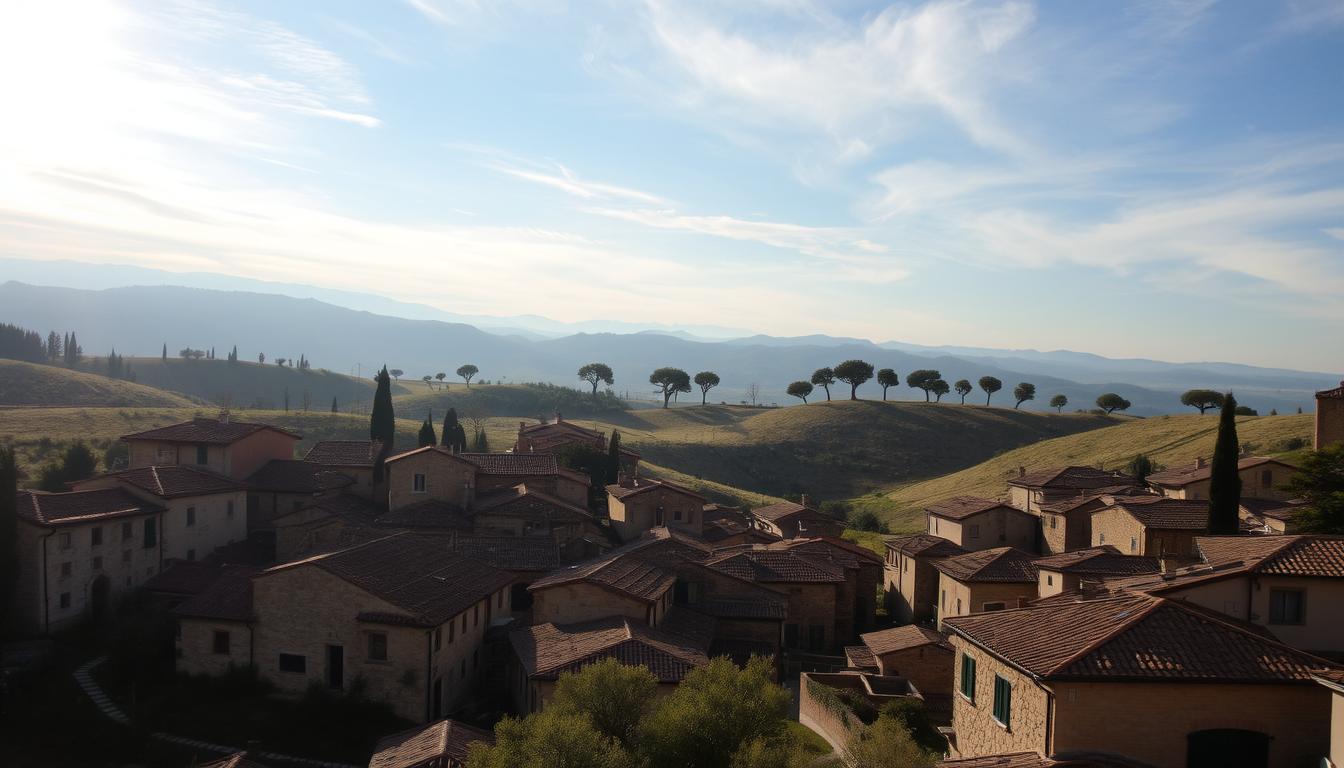
I first encountered Basilicata on an October morning. Mist clung to ancient stone walls, revealing a part of the world that exists far from the well-trodden paths of mass tourism. The villages here feel undisturbed, sleeping quietly in the southern Italian sun.
This journey became more than a simple geographical exploration. It was a meditation on authenticity. I found places where raw beauty hasn’t been smoothed over by commercialization. The medieval architecture stands frozen in time.
The cobblestone streets remember centuries of footsteps. These paths were never meant for Instagram validation. I was drawn to this region because it asks something of you. It requires patience, curiosity, and a willingness to engage with places that offer no easy stories.
This guide comes from my personal experience in these forgotten villages. I learned that the greatest luxury in modern travel is finding a place where your presence as a visitor is still a genuine surprise to the locals.
Key Takeaways
- Basilicata offers an authentic travel experience away from crowded tourist circuits.
- The region’s villages possess a unique, timeless quality with well-preserved medieval architecture.
- A successful journey here requires patience and a curious mindset.
- The true value lies in engaging with local culture and untouched landscapes.
- Traveling here feels like a discovery, as visitors are still a novelty to residents.
- This guide is based on first-hand exploration of these distinctive settlements.
Setting the Scene: A Hidden Italy Road Trip
My journey began with a deliberate detour, leaving behind the well-documented trail for the whispers of an overlooked region. While most visitors follow a predictable path from Rome to the Amalfi Coast, I pointed my car toward the south. I sought the part of the country where mass tourism fades into authentic daily life.
This choice meant embracing uncertainty. Familiar English signage vanished, replaced by the lyrical cadence of the local dialect. The landscape itself began a dramatic transformation. Rolling hills gave way to stark, sculpted clay badlands that felt strangely cinematic.
I learned that the best time for such an exploration is when you are ready to slow down. It is a journey measured not in miles, but in moments of quiet observation. An empty village square, alive only with the passionate debates of elderly residents, becomes the main event.
This way of traveling recalibrated my expectations. It became less about checking sights off a list and more about allowing the region’s rhythm to become my own. The scarcity of tourist conveniences wasn’t a lack, but a gift—an invitation to a deeper, more personal connection with the soul of southern Italy.
Introducing Basilicata’s Sleeping Villages
The villages of Basilicata revealed themselves not as destinations but as living archives, each stone telling stories of generations past. This region maintains an authenticity that feels increasingly rare in modern travel.
Geographic Overview and Local Culture
The geography of this area presents dramatic contrasts. Mountain villages like Castelmezzano cling to cliffs, while abandoned towns stand as haunting monuments to resilience.
The local people maintain traditions with unselfconscious grace. Their festivals celebrate community rather than tourism, creating genuine cultural encounters.
| Village | Geographic Feature | Cultural Distinction | Architectural Style |
|---|---|---|---|
| Castelmezzano | Dolomite Lucane mountains | Volo dell’Angelo festival | Stone houses integrated with rock |
| Craco | Clay badlands | Abandoned medieval settlement | Ghost town preservation |
| Pietrapertosa | Mountain peak | Ancient Arab-Norman influence | Rock-carved dwellings |
Historical Significance
The history of these settlements spans millennia. Greek colonization, Norman rule, and earthquakes have each left their mark on the village architecture.
Walking through these villages feels like moving through layered history. The stratified character reveals how each era adapted to the challenging landscape.
Planning Your Italian Adventure
Crafting the framework for this adventure required balancing structure with serendipity. I abandoned the typical checklist approach, recognizing that these villages reveal their character through unhurried observation rather than scheduled visits.
Crafting the Perfect Itinerary
My strategy involved allocating ample time for each location. Some villages demanded a full day of exploration, while others revealed their essence in brief, concentrated visits. This flexible approach allowed for spontaneous discoveries.
Budgeting and Logistics
Renting a car proved essential for accessing remote settlements. The financial investment yielded rich returns in freedom and authentic encounters. Family-run accommodations offered remarkable value compared to commercial tourist destinations.
| Planning Aspect | Traditional Approach | Basilicata Strategy | Practical Benefit |
|---|---|---|---|
| Transportation | Public transit between cities | Personal vehicle for flexibility | Access to remote villages |
| Time Allocation | Multiple locations per day | Fewer destinations, deeper immersion | Authentic cultural engagement |
| Accommodation | Chain hotels in city centers | Agriturismi and family guesthouses | Local experiences and value |
| Dining Budget | Tourist restaurant pricing | Local trattoria discoveries | Superior quality at lower cost |
Choosing the Best Time and Season for Your Trip
The rhythm of the seasons dictates the character of any journey through this region. My own travel taught me that timing shapes the entire experience.
Weather Considerations in Basilicata
I found October to be the perfect time for exploration. The summer heat had faded, replaced by golden autumn light. Local restaurants showcased harvest-inspired cuisine.
Each season offers distinct advantages. Spring brings wildflowers and comfortable temperatures. Summer days can be punishing, with locals retreating indoors during peak heat.
| Season | Temperature Range | Crowd Level | Recommended Activities |
|---|---|---|---|
| Spring (Apr-May) | 15-25°C (59-77°F) | Low | Mountain hiking, wildflower viewing |
| Summer (Jun-Aug) | 25-35°C (77-95°F) | Moderate | Evening piazza visits, indoor sites |
| Autumn (Sep-Oct) | 15-25°C (59-77°F) | Low | Harvest festivals, culinary exploration |
| Winter (Nov-Mar) | 5-15°C (41-59°F) | Very Low | Historical sites, quiet contemplation |
Winter travel reveals a stark beauty, with villages almost empty. Some accommodations reduce hours, but the solitude rewards patience.
The ideal spot in your calendar depends on priorities. For immersive cultural days, shoulder seasons provide the deepest connections with local life.
Navigating Routes Through Unspoiled Landscapes
The quality of the journey in Basilicata is intrinsically linked to the character of the routes one chooses. Moving between settlements is not a mere transition but a central part of the experience itself.
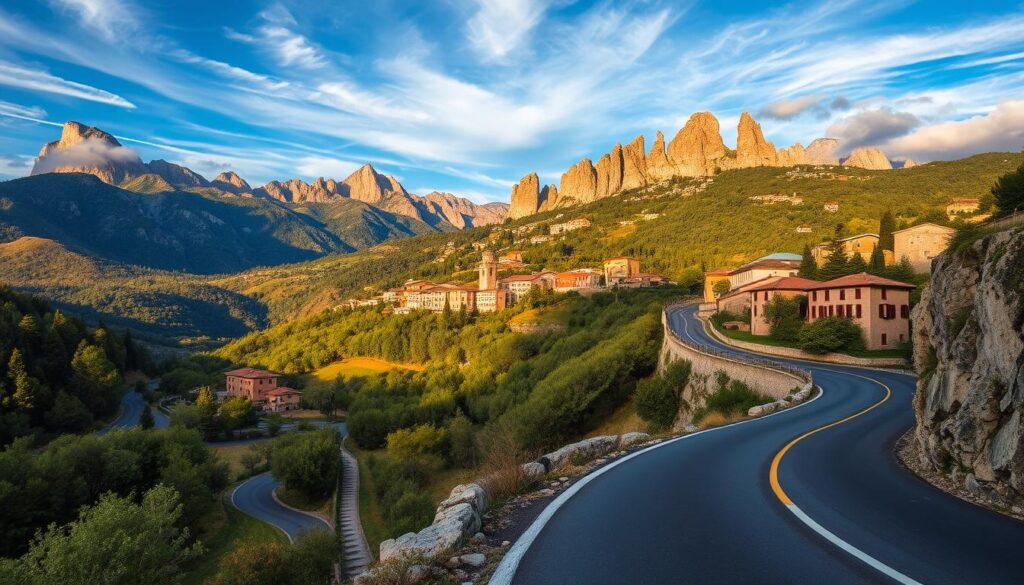
I quickly discerned two distinct types of passages. Main arteries connecting larger towns are well-maintained. The secondary way to hilltop villages, however, is a different adventure entirely.
These serpentine paths demand your full attention. The act of driving becomes a form of active meditation. You navigate hairpin turns on road surfaces that feel intimately connected to the terrain.
Road Conditions and Scenic Drives
The most spectacular views emerged from routes that challenged my sense of direction. Winding through the Lucanian Dolomites, each switchback unveiled a new perspective.
Villages appeared to cling impossibly to cliff faces. Local drivers, knowing every curve, moved with a confident pace that underscored the necessity of presence behind the wheel.
Another unforgettable road cut through the eroded clay badlands. This landscape felt otherworldly, like traversing the surface of another planet.
For your car, I recommend a smaller vehicle with an automatic transmission. Medieval village streets are narrow, and steep inclines are frequent. My most memorable drive was the SS407 through Pollino National Park, where mountains soar and nature feels immediate.
Exploring Authentic Village Experiences
The barrier between visitor and resident dissolved through repeated, ordinary interactions. I learned that authenticity here isn’t a spectacle to be witnessed, but a rhythm to be adopted.
In one particular town, my morning espresso ritual at the same bar became a doorway. The baker began anticipating my preference, a small sign of belonging.
Local Customs and Traditions
The people maintain customs with unselfconscious grace. Entire villages still observe the afternoon riposo, when streets empty into a profound silence.
Evenings bring a vibrant reversal. Multi-generational families emerge for the passeggiata, a social institution alive with genuine conversation.
| Village | Unique Custom | Visitor Experience | Best Time to Observe |
|---|---|---|---|
| Valsinni | Laundry strung between buildings | Accidental art installations in narrow alleys | Late morning |
| Aliano | Piazza social theater | Quiet observation of daily life unfolding | Afternoon |
| Tursi | Rabatana quarter preservation | Exploring Arab-Norman architectural layers | Early evening |
Hidden Gems off the Beaten Path
Craco Vecchia stands as a haunting monument to resilience. Earthquakes forced its abandonment, leaving a perfectly preserved ghost town.
Castelmezzano offers another gem. Its stone houses appear to grow organically from the dramatic rock face, creating a breathtaking landscape.
These places reward the patient traveler with moments of pure, unmediated discovery.
Savoring Traditional Italian Cuisine and Wines
In Basilicata, I discovered that the most authentic cultural encounters often unfolded around shared meals and local wine. The region’s culinary traditions reflect centuries of peasant ingenuity, transforming humble ingredients into dishes of surprising complexity.
Must-Try Dishes in Basilicata
The local food tells stories of resilience. Peperoni cruschi, crispy dried peppers scattered over pasta, provide addictive textural contrast. Lagane e ceci, wide pasta with chickpeas, achieves profound satisfaction from minimal components.
Must-try dishes extend beyond pasta. Lucanica sausage flavored with wild fennel demonstrates the region’s mastery of preservation techniques. Crapiata, a soup of legumes and grains, showcases traditional peasant cooking.
Local Wine and Restaurant Recommendations
Wine culture here centers on Aglianico del Vulture. This powerful red grows on volcanic soils, possessing structure that rivals Barolo but costs dramatically less. The wine became a daily companion to my meals.
The best restaurants operate by different rules than tourist establishments. Many don’t have printed menus. Instead, chefs describe daily preparations based on market availability.
I treasured places where I was the only non-local. In Matera, Trattoria Lucana serves traditional dishes with zero concessions to foreign palates. Family-run agriturismi offer remarkable food at prices that feel anachronistic.
Immersing in Art, History, and Architecture
History in these settlements isn’t preserved behind glass but lives in the very stones underfoot. The architecture reveals itself as a conversation across centuries.
I found Norman castles overlooking Greek foundations. Roman ruins were woven into medieval walls. Each layer remained visible, creating an authentic complexity.
Historic Buildings and Ruins
The beauty of these structures lies in their imperfections. Walls lean at angles that defy modern engineering. Stone steps wear concave from generations of use.
In Venosa, an unfinished abbey stands with skeletal arches open to the sky. It surrounds an older church that incorporates Roman temple columns. This represents Basilicata’s approach to history as accumulation.
The most moving times came when I encountered craftsmanship without explanation. A carved doorway or vaulted ceiling could speak directly across centuries.
Medieval buildings still serve living functions in these town centers. Ancient fountains remain gathering spots. Churches from the 11th century host weekly services.
Tricarico exemplifies this layered architecture. Its Arab quarter passages, Norman towers, and Renaissance palaces create a compact hilltop settlement. Getting lost becomes an education in adaptive reuse, much like exploring other Italian discoveries.
Discovering Serene Streets and Scenic Views
The act of walking through these villages became my primary mode of discovery. The streets themselves are historical documents, winding not for convenience but for medieval defense and topographical necessity.
They narrow unexpectedly, then open into intimate piazzas dominated by a single church. This creates compositions that feel designed for quiet contemplation.
I found that the most spectacular views required little effort. Simply walking to the edge of any hilltop settlement revealed sweeping perspectives across valleys to other villages perched on distant ridges.
Photography and Local Perspectives
Photography here presents a peculiar challenge. The dramatic beauty is almost too cooperative, with every corner offering a frame-worthy composition.
The most meaningful images came when I stopped trying to capture everything. I waited for moments when the right light or a local’s presence activated the space.
One spot that captivated me was the belvedere in Pietrapertosa. Viewing platforms cantilever over the valley, providing vertiginous views of the village’s impossible position.
The beauty here is distinct. It is less polished and more raw, presenting itself without the self-consciousness of more celebrated destinations.
Local perspectives proved enlightening. Where I saw dramatic scenery, elderly residents saw the difficult terrain their ancestors farmed.
| Village | Photographic Highlight | Best Time for Light | Unique Perspective |
|---|---|---|---|
| Castelmezzano | Stone facades in afternoon light | Late afternoon | Three-dimensional sculptural effect |
| Pietrapertosa | Valley views from belvedere | Morning | Cantilevered platform perspectives |
| Aliano | Daily life in the piazza | Early evening | Social theater and quiet observation |
Practical Tips for a Successful Road Trip
The practical wisdom I gathered navigating Basilicata’s landscapes became as valuable as the scenic views themselves. Success here hinges on thoughtful preparation for the region’s unique rhythms and infrastructure.
My most crucial tip involves your car. I strongly recommend a compact vehicle from a reputable company with comprehensive insurance. The narrow, winding village roads make minor contact a real possibility, not just a remote risk.
Car Rental and Transport Options
For navigation, Google Maps served well on main arteries. Yet, in rural areas, it occasionally proposed impractical routes. I learned to cross-reference with Maps.me, which uses OpenStreetMap data and proved more reliable off the beaten path.
If your journey extends to Sicily, the ferry crossing is straightforward. Services like Caronte Tourist depart frequently from Villa San Giovanni. Book directly with the company to avoid aggregator fees, and arrive at least thirty minutes before departure.
Safety and Navigation Advice
Defensive driving is essential. Local drivers know every curve intimately. I found it best to pull over at wider spots to let faster traffic pass, ensuring a calm and safe pace.
Financial preparedness is key. Carry cash in multiple locations, as ATMs in small villages can be unreliable, especially on weekends. Many establishments do not accept credit cards.
Respect local hours. The afternoon riposo, typically from 1 PM to 4 PM, is strictly observed. Plan your arrivals around this quiet period, embracing it as a chance to pause.
| Aspect | Recommendation | Rationale | Pro Tip |
|---|---|---|---|
| Car Selection | Compact vehicle, full insurance | Narrow streets, unpredictable road conditions | Book with major international agencies for clear policies |
| Navigation | Primary app + offline backup (Maps.me) | Unreliable GPS signals in valleys | Download maps for entire region before departure |
| Financials | Ample cash, distributed storage | Limited card acceptance, sporadic ATMs | Keep a reserve of euros in your car glove compartment |
| Ferry Travel | Direct booking, early arrival | Avoids fees, ensures smooth boarding | Have booking confirmation readily accessible |
| Parking | Use designated areas outside historic centers | Tourist vehicles often prohibited in centers | Expect a short, uphill walk to your accommodation |
| Operating Hours | Plan around riposo (1 PM – 4 PM) | Everything closes during this time | Use this pause for a leisurely lunch or rest |
The Charm of Offbeat Italian Towns
What distinguishes Basilicata’s settlements from more celebrated destinations is their complete lack of theatricality. These towns exist for their inhabitants, not for visitors. This fundamental difference creates an authenticity I found increasingly rare.
Avoiding the Tourist Crowds
Escaping crowds proved effortless through simple destination choice. While Matera draws attention, nearby towns like Montescaglioso maintain quiet dignity. Larger cities such as Potenza function as genuine urban centers rather than tourist showcases.
In places like Bologna, despite being a significant university city, life unfolds naturally. Students read in graffiti-adorned quarters without performing for an audience. The rhythm feels organic rather than curated.
Experiencing Quiet, Local Life
True immersion required adapting to local rhythms rather than expecting accommodation. I learned to appreciate empty afternoon streets as sensible climate adaptation, not absence of vitality.
In Bevagna, old men brought chairs into city streets to swap stories. Sulmona’s avenues filled with teens walking arm-in-arm, grandmothers with babies. Life burst at the seams without spectacle.
The most profound moments came through unexpected inclusion. People regarded me with curiosity rather than weary tolerance. Being waved into a piazza conversation or receiving trail recommendations felt genuinely reciprocal.
These cities and towns revealed that the idealized Italy of genuine connection hasn’t disappeared—it simply moved beyond tour bus routes.
Adventures Beyond the Popular Destinations
The true adventure in Italy lies not in the famous landmarks but in the quiet courage to explore lesser-known places. I deliberately bypassed the crowded Cinque Terre villages, where tourism has transformed authentic charm into scheduled spectacle.
Instead, I sought destinations that required explanation rather than recognition. Basilicata’s coastal areas along the Ionian Sea offered spectacular alternatives. The water achieves the same impossible blue as more famous beaches, but with wider, emptier shores.
One unforgettable journey led me to Craco Vecchia, a ghost village abandoned after earthquakes. Empty windows stared across valleys as nature reclaimed stone structures. This surreal landscape embodied the region’s raw beauty.
The Pollino National Park provided mountain adventures rivaling the Dolomites without the crowds. Hiking through old-growth forests felt like discovering Italy’s wild heart. Meanwhile, Castelmezzano’s “Volo dell’Angelo” zip-line offered adrenaline with perspective.
These experiences taught me that authentic discovery happens in places that haven’t yet discovered their own marketability. The popular Cinque Terre certainly earned its reputation, but now functions more as an open-air theme park than living communities.
| Popular Destination | Basilicata Alternative | Key Difference | Experience Quality |
|---|---|---|---|
| Cinque Terre villages | Ionian Sea coastal towns | Tourist density | Authentic vs curated |
| Amalfi Coast beaches | Maratea’s rocky coves | Crowd levels | Serene vs hectic |
| Northern mountain parks | Pollino National Park | Infrastructure | Wild vs developed |
| Commercial adventure parks | Castelmezzano zip-line | Integration | Cultural vs artificial |
Balancing Spontaneity with Planned Excursions
True immersion in these villages demanded a surrender to the present moment, while maintaining just enough structure to navigate. I approached this journey with intentional flexibility, booking accommodations in advance but leaving daily schedules open to discovery.
Some settlements revealed their essence in mere minutes, while others warranted hours of quiet observation. The objective became exploring new places while allowing for restorative pauses.
Creating Unforgettable Memories
The most vivid recollections emerged from unplanned detours, not meticulously scheduled attractions. One particular day began with planned Greek ruins but evolved into an afternoon helping a local fisherman sort his catch.
I learned to recognize when to push forward and when to simply exist in a place. Afternoons spent reading in village piazzas provided some of my most restorative experiences.
Creating lasting memories required presence more than planning. The willingness to put away the camera and engage in genuine conversation transformed this journey through places into a perspective-shifting experience.
The structure ultimately resembled a jazz composition—themes established in advance, but improvisation creating the magic. This balance between intention and spontaneity defined the entire trip.
Tips for Capturing Your Journey
Photography in these ancient villages required a different approach than my usual travel documentation. I chose intentional restraint, experiencing each place through presence rather than constant camera use.
Photography and Journaling Highlights
The most meaningful images emerged from waiting for the right moments. Light transforming stone facades or human activity animating spaces created the best shots. I returned to locations at different times of day to capture varying moods.
Journaling provided essential balance. During afternoon closures, I recorded sensory details that photos couldn’t capture. This practice preserved the emotional texture of each experience.
| Approach | Photography Focus | Journaling Focus | Best Time |
|---|---|---|---|
| Morning | Sharp architectural details | Fresh impressions | Golden hour light |
| Afternoon | Human activity scenes | Sensory observations | During riposo |
| Evening | Dramatic shadow play | Daily reflections | Sunset transitions |
My essential list of things to document included overlooked details that triggered memory. A handwritten menu or particular door knocker often resurrected experiences more vividly than grand views.
This balanced approach allowed me to fully experience each day while creating meaningful records. The most important things I captured were often the simplest moments of authentic connection.
Integrating Local Experiences for Authenticity
The most profound moments of my Basilicata exploration occurred not in architectural marvels but in human exchanges. True authenticity emerged when I shifted from observer to participant in the daily rhythm of these communities.
Meeting Locals and Sharing Stories
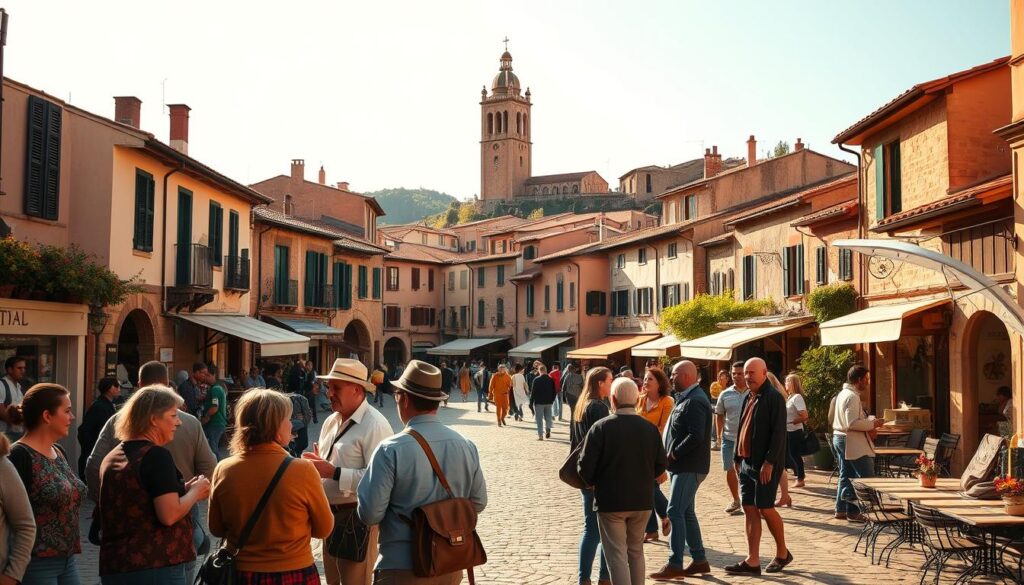
I discovered that meaningful connections required deliberate vulnerability. Choosing the bar stool instead of a secluded table often prompted conversations that transformed transactional encounters into genuine exchanges.
In one particular town, a fruit vendor learned my name and invited me to return. Elderly people shared perspectives on landscapes their ancestors farmed. These stories revealed layers of experience invisible to casual visitors.
The streets functioned as public living rooms where I witnessed the full spectrum of community life. Children played elaborate games while adults debated everything from politics to olive tree pruning techniques.
Engaging with Community Events
Community celebrations maintained their authentic function as social glue rather than tourist attractions. I stumbled into a patron saint festival where I was clearly the only foreigner.
Rather than feeling intrusive, I found myself welcomed into the collective celebration. The world revealed through these local experiences felt more complex and rewarding than any curated tour.
One family-run B&B proprietor treated my presence as cultural exchange, asking as many questions about my home as I asked about hers. This reciprocal curiosity created bridges between our different worlds.
Authenticity in travel isn’t something you find but something you co-create through openness to unscripted moments with local people.
Conclusion
My journey through Basilicata’s sleeping villages concluded not with a final destination, but with a lingering sense of having participated in something authentic. This travel experience prioritized discovery over documentation, allowing each day to unfold at its own pace.
The region’s true beauty lies in its unselfconscious existence. People maintain traditions in villages where life continues largely unaffected by external expectations. Their daily rhythms became my guide.
I return home carrying memories of stunning architecture and genuine connections. These places remind us that the most rewarding journeys often require choosing the less-traveled way.
Let these reflections inspire your own exploration beyond familiar routes. The sleeping villages await those willing to experience Italy on its own terms.