

Italy’s charm is woven from countless local threads. From north to south, dialects, food, and landscapes change dramatically. Yet, most travelers walk the same well-trodden paths. They crowd into Rome, Florence, and Venice, seeking the famous sights.
I have stood in those queues. I have felt the challenge of finding magic while jostling with crowds. The hard truth is that a heavily touristed destination surrounds you with other visitors, weary locals, and opportunists. It can feel like you are experiencing a spectacle, not a place.
But there is another way to travel. It is a journey of cultural immersion, not checklist tourism. Just beyond Rome’s gravitational pull lies the Lazio region. This is a world where authentic Italian rhythms persist, undisturbed.
Here, ancient stones whisper stories that tourists never hear. This countryside is not Rome’s shadow, but its own luminous entity. It deserves attention from those who seek substance over spectacle. I invite you to join me in exploring these offbeat Italian destinations. Let’s discover the villages and traditions that exist outside the guidebooks.
Key Takeaways
- Popular Italian cities are often crowded, making authentic experiences difficult.
- Travel can be more rewarding when focused on cultural immersion.
- The Lazio region offers a genuine alternative to the well-trodden tourist paths.
- Exploring the countryside reveals a different, more tranquil side of Italy.
- These lesser-known areas provide a chance for personal discovery and connection.
- Venturing beyond Rome unlocks a world of hidden villages and local traditions.
Discovering the Hidden Charms of Lazio
There exists a different Italy beyond the crowded piazzas and museum queues—one where time moves to a more authentic rhythm. I extend a personal invitation to step away from Rome’s intensity and discover Lazio’s countryside as a sanctuary for travelers who prioritize depth over breadth.
An Invitation to Explore Beyond Rome
This region deserves dedicated time—not as a day-trip afterthought but as a primary destination worthy of unhurried exploration. The contrast is striking between tourist-saturated places and the authentic encounters awaiting in smaller towns.
Life unfolds here according to rhythms unchanged by tourism. In these quiet places, you’ll find the sensory rewards of choosing less-traveled paths.
The quality of light on medieval stone, the sound of local dialect in market squares—these moments create a richer tapestry than any checklist could offer. I understand the internal conflict between cultural obligations and genuine curiosity about how Italians actually live.
Venturing beyond Rome is an act of discernment, not contrarianism. Each small town offers its own unique character, making every discovery feel personal rather than prescribed.
This countryside provides the perfect place to reconnect with what drew you to Italy in the first place. The magic happens when you allow a town to reveal itself slowly, without the pressure of must-see sights.
Why Stray from the Crowds? Embracing the Authentic Lazio Experience
There’s a profound difference between observing Italian culture from the sidelines and immersing yourself in its authentic daily rhythms. This distinction forms the heart of why seeking less-traveled places matters.
Escaping Over-Tourism
When too many tourists descend upon a location, the local way of life becomes a commodity. Shopkeepers grow weary, prices inflate, and genuine interactions become rare. The magic of spontaneous discovery evaporates.
In Lazio’s countryside, you encounter locals living their ordinary lives rather than performing for visitors. Markets serve residents first, with produce reflecting the season rather than tourist expectations.
Unfiltered Local Culture
Here, conversations flow naturally in village squares. You witness the evening passeggiata where generations mingle effortlessly. Restaurants craft menus based on what’s fresh from nearby farms.
This unfiltered experience allows you to participate rather than just observe. You become part of the rhythm instead of watching from outside. The choice to avoid crowded destinations becomes an act of cultural discernment.
You’ll find that the most meaningful travel moments happen when you’re welcomed as a guest rather than processed as another tourist. This transforms your journey from spectacle to genuine connection.
Exploring Offbeat Italian Destinations
Seeking out lesser-known corners requires a shift in perspective, from chasing monuments to embracing moments. These places demand curiosity and a willingness to research beyond standard guides. They are a category of travel deserving intentional pursuit.
Lazio’s countryside is a prime example within this broader context of Italy’s overlooked region. Authentic experiences exist throughout the country for those who venture away from the spotlight. The criteria are clear: an absence of tour buses, the sound of local dialect, and businesses serving community needs first.
Why do some destinations remain hidden? Geographical remoteness or a lack of a single iconic attraction often shields them. I see these factors as advantages. They preserve traditional rhythms that more famous spots have lost.
Discovering them is part of the adventure. It involves conversations with Italians and noticing where locals themselves vacation. It means following curiosity down an unmarked road.
Embracing these journeys requires different skills: flexibility, a few phrases of Italian, and comfort with uncertainty. The reward is profound. You encounter a cultural richness that commercialization has not touched.
This approach prepares you for what awaits in Lazio. The experiences here reward patience and presence. They offer a connection to Italy that feels genuinely your own.
Uncovering Quaint Villages and Enchanting Towns
To walk through a Lazio village is to step into a living chronicle, where every stone and alleyway tells a story. These are places where history is not confined to museums but is etched into the very fabric of daily life.
I recall evenings in hilltop towns where the setting sun paints ancient buildings in golden light. The narrow streets, too tight for cars, encourage a slower, more observant pace. Here, the history feels immediate and tangible.
Local Traditions and Folk Stories
In these communities, tradition is the heartbeat. Annual festivals honoring patron saints transform quiet piazzas into vibrant stages. Craftsmanship, from weaving to woodworking, is a heritage passed down through generations.
Locals often share legends tied to specific buildings or landmarks. One elder in a small village once told me,
Every old house here has a ghost, and every ghost has a reason for staying.
These narratives add a rich, human layer to the physical landscape. They turn a simple stroll into a journey through collective memory.
Architectural Secrets
The architecture here is a language of necessity and beauty. Warm travertine stone defines the houses. External staircases lead to elevated entrances, a feature born from historical needs.
Arched passageways create cool, shaded corridors, offering respite from the summer heat. The design of these towns speaks to a past where community and defense were paramount.
| Feature | Primary Material | Historical Function | Modern Experience |
|---|---|---|---|
| Narrow Streets | Cobblestone | Defense & Climate Control | Intimate, pedestrian-friendly exploration |
| Central Piazzas | Travertine Stone | Community Gathering & Market Space | Vibrant social hubs for cafes and events |
| Fortified Walls | Local Stone & Brick | Protection from Invasion | Dramatic viewpoints and historical walks |
Wandering these villages reveals hidden courtyards and frescoed facades. Each turn can uncover a new secret, making exploration a continuous delight. The streets themselves are the main attraction.
Lazio’s Rich Historical Tapestry
History in Lazio breathes through every stone, a living narrative that extends far beyond Rome’s famous ruins. This region holds layers of civilization that predate the empire itself.
Medieval Influences and Ancient Ruins
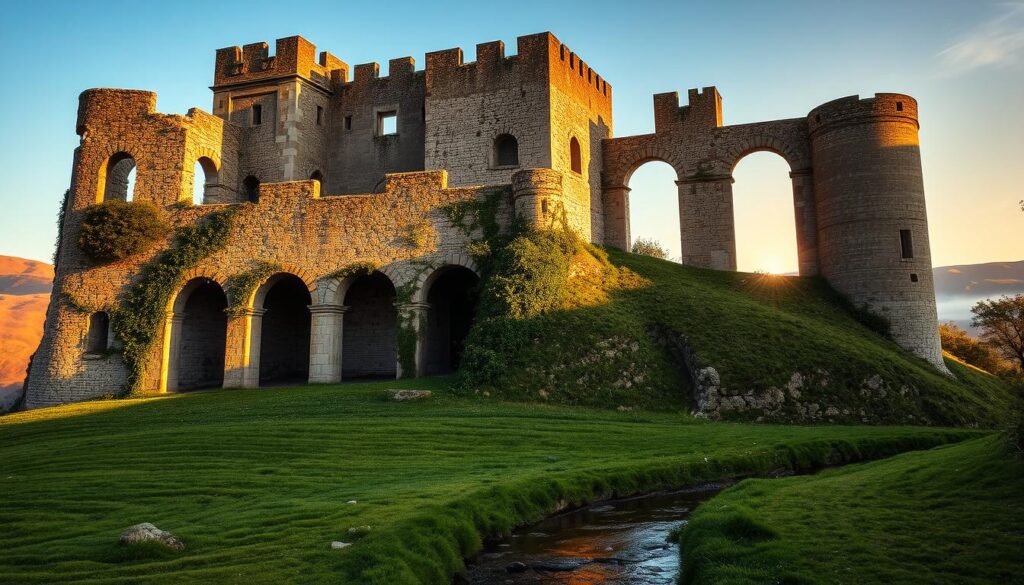
I’ve walked Roman roads still used by farmers and seen medieval watchtowers standing guard over valleys. The past isn’t preserved behind glass here—it functions.
Etruscan necropolises carved into tufa cliffs feel untouched by mass tourism. Roman aqueduct ruins thread through forests where monks still maintain medieval traditions.
What moves me most are the anonymous churches and crumbling fortifications. They speak to a history that doesn’t need famous monuments to feel profound.
Understanding that a particular town once supplied grain to Rome changes how you see its landscape. Knowing medieval pilgrims traveled these paths adds depth to your own footsteps.
The architectural signatures tell their own story. Roman engineering shows pragmatic brilliance. Medieval structures climb vertically for defense. Renaissance villas embrace humanistic proportions.
This area reveals how different periods shaped the region. Each time period left distinct marks on the land. The historical awareness enriches every moment spent in these quiet towns.
Scenic Countryside and Panoramic Vistas
Many travelers arrive in Italy with a fixed image of its landscapes, imagining only Tuscany’s cypress-lined roads or the Amalfi Coast’s dramatic cliffs. Lazio’s countryside offers a powerful corrective to this limited view. This region presents a topographical tapestry far more varied and subtly magnificent.
Rolling Hills and Vineyards
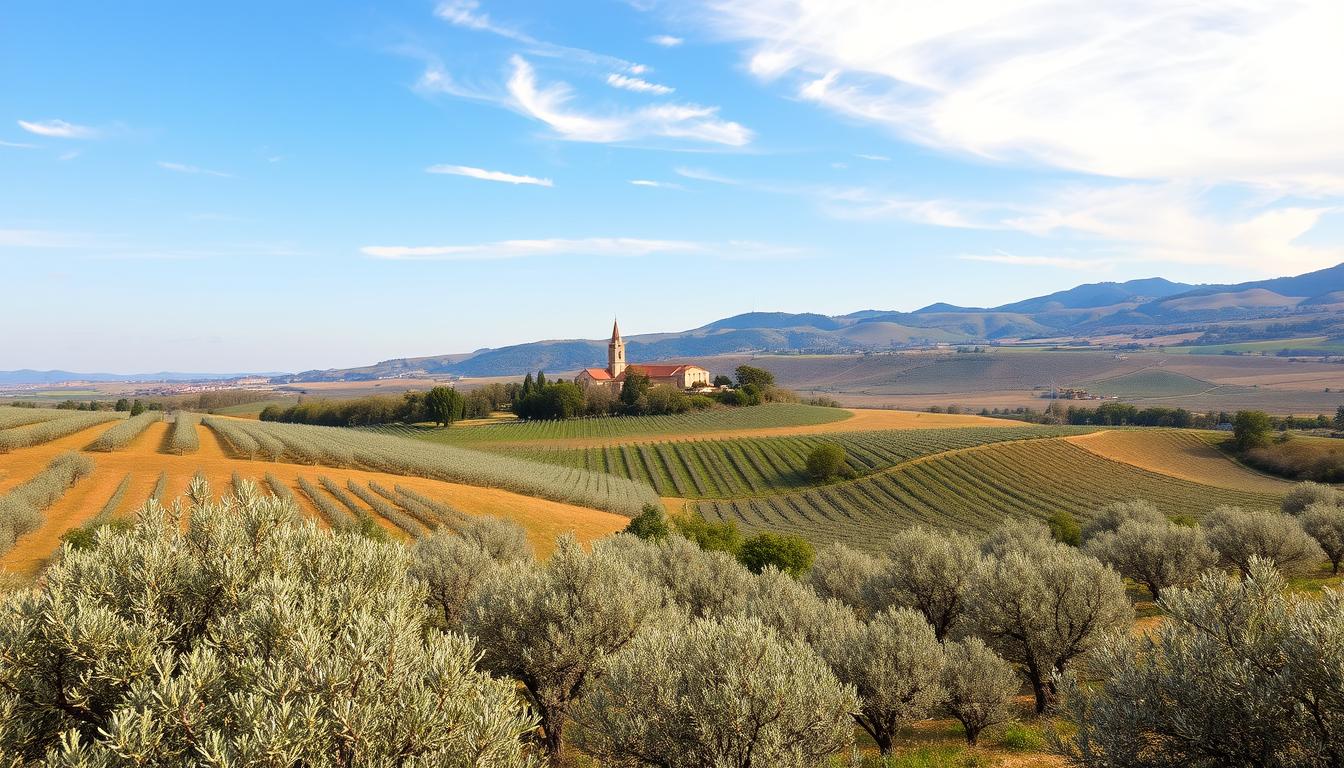
The views here are agricultural masterpieces. Vineyards terrace hillsides with geometric precision. Olive groves cast silver shadows across valleys.
I recall one golden afternoon watching light move across a sea of grain. The sensory experience is profound. Wind whispers through fields, and cicadas drone in the heat of the day.
Hidden Landscapes Worth the Journey
Venture beyond main routes to discover the area‘s secret views. Mountain passes reveal unexpected panoramic vistas. Hilltop towns provide 360-degree perspectives of the mountains.
These hidden destinations reward the curious traveler. A forest trail might lead to an overlook unseen on any map. The trip itself becomes the destination.
Each view tells a story of human interaction with the land. Ancient terracing and strategic town placement reveal a deep history. Exploring these Italian landscapes feels like a personal discovery, far from the crowded day trips near Rome.
Culinary Journeys through the Lazio Countryside
In the quiet villages beyond Rome, I’ve found that food serves as the most authentic passport to understanding local culture. The region’s culinary identity emerges from generations of refinement within family kitchens.
Authentic Flavors and Traditional Recipes
Beyond Rome’s famous four pastas lies a world of countryside specialties. I recall dining in a family-run trattoria where the menu changed daily based on what was available.
The grandmother made pasta by hand while explaining why certain dishes only appear in specific seasons. This connection to the land defines Lazio’s true food culture.
Local Wine and Gastronomic Delights
The wine traditions here are equally profound. White wines from the Castelli Romani and reds from volcanic soils reflect the terroir perfectly.
As one local winemaker told me,
Our wines tell the story of this land better than any book could.
| Dish Type | Key Ingredients | Region of Origin | Seasonal Availability |
|---|---|---|---|
| Wild Boar Preparations | Forest herbs, local wine | Mountain towns | Autumn/Winter |
| Shepherd’s Cheese | Sheep’s milk, wild herbs | Pastoral villages | Year-round |
| Lake Fish Traditions | Freshwater fish, olive oil | Lakeside towns | Spring/Summer |
| Chestnut Flour Cakes | Chestnut flour, honey | Forest villages | Autumn |
Exploring these culinary traditions reveals how each town and village maintains its unique gastronomic heritage. The most memorable meals occur where technique and tradition trump presentation.
Outdoor Adventures and Scenic Hiking Trails
Some of my most profound encounters with this region have occurred not in villages or trattorias, but along the winding trails that connect them. Hiking here reveals the intimate scale of the landscape, offering perspectives on things you’d miss from any vehicle.
Exploring Nature on Foot
The trail networks crisscrossing Lazio feel like living archives. Ancient pilgrimage routes trace through forests, while pastoral paths link remote mountain villages. Coastal trails provide breathtaking sea views, and volcanic crater rims offer geological drama.
I’ve found that a morning spent hiking transforms how I experience the rest of the day. The physical rhythm creates mental space for observation. Seasonal changes dramatically affect these views—spring wildflowers carpet meadows, while autumn sets forests ablaze.
Practical preparation enhances the experience. Sturdy footwear is essential for mountains terrain. Carrying water and basic Italian phrases prepares you for encounters with shepherds. These things turn a simple walk into cultural immersion. A full day of hiking might conclude at a village trattoria, where the meal tastes earned.
Spotlight on Charming Small Towns
Each town in the Lazio countryside possesses a distinct rhythm, a personality shaped by centuries of history. I find their scale deeply satisfying—small enough to comprehend in a day, yet layered enough to reward a longer stay.
Take Bevagna, for instance. This is not a museum-village but a functioning community. Life unfolds in its public squares. I’ve watched old men bring folding chairs into the streets to swap stories, a simple ritual that defines the place.
Then there is Sulmona. Its restoration feels delicate and fanciful. Green plants tumble from wrought-iron balconies. Whimsically painted buildings line the streets. Every shop entrance feels like stumbling onto a beautifully crafted movie set.
These towns are among the region’s most rewarding destinations. They offer a glimpse of authentic Italian life far from the crowded city centers. The pleasure lies in meandering without a strict agenda.
| Town Name | Defining Atmosphere | Architectural Signature | Local Encounter |
|---|---|---|---|
| Bevagna | Lived-in, communal | Travertine stone squares | Evening storytelling in the piazza |
| Sulmona | Artistic, whimsical | Painted facades, floral balconies | Bakers and cheesemongers in historic shops |
| Moena | Alpine, fairy-tale | Mountain chalet style | Hikers and locals in cozy cafes |
Parking is often just outside the historic center, encouraging a walk into the heart of the town. This transition from car to foot is the first step toward a more intimate discovery. The true magic of these places reveals itself slowly, in the quality of afternoon light on ancient stone.
Cultural Encounters with the Locals
The true measure of a place reveals itself not in monuments, but in the spontaneous exchanges between people who call it home. In Lazio’s countryside, visitors remain uncommon enough that locals respond with genuine curiosity rather than commercial calculation.
Festivals, Markets, and Daily Life
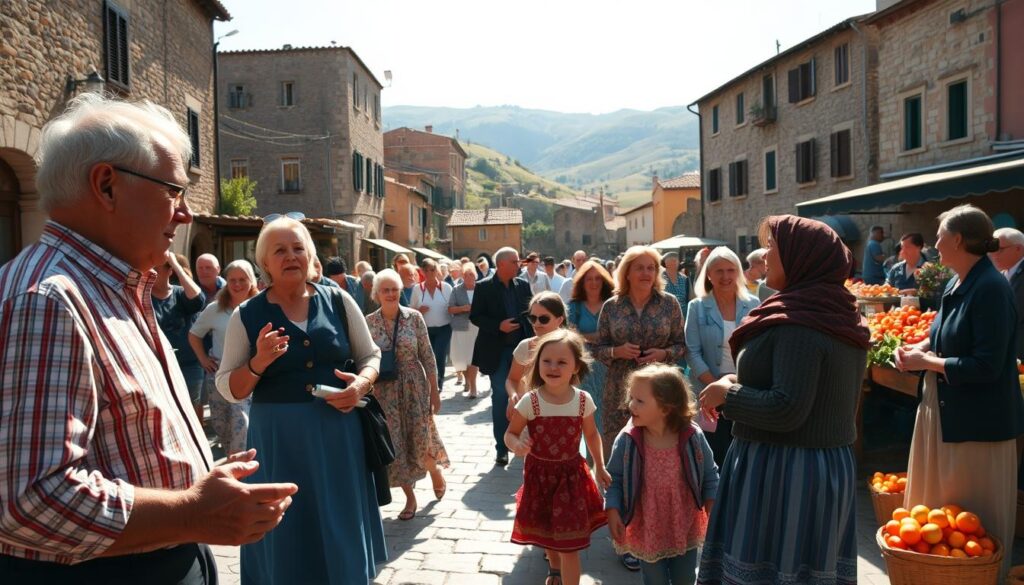
I recall entering shops in Sulmona where immediate questions greeted me. “Where are you from? How do you speak Italian?” These conversations naturally led to recommendations for the juiciest apricots or finest local cheeses.
Market day transforms a quiet town into a vibrant social hub. The rhythm of life becomes visible through morning café rituals and evening gatherings in public squares. Old men on benches might stop you to share stories about the surrounding mountains.
Seasonal festivals like Bevagna’s Mercato delle Gaite celebrate community identity through historical reenactments. These events connect present day life with centuries of tradition.
Meaningful encounters require basic Italian phrases and willingness to accept conversational invitations. Repeated visits to the same establishments build familiarity with locals. Each village offers its own pace, inviting you to invest time in understanding its character.
These privileged moments emerge from choosing less-touristed destinations. They transform a simple stroll through a town into cultural immersion. The quality of time spent in these communities creates connections that transcend typical tourist experiences.
Every town reveals its personality through these daily interactions. The generosity shown to curious visitors makes each encounter feel like a genuine exchange rather than a transaction.
Artistic Heritage and Timeless Architecture
The true artistic soul of Italy resides not in its famous museums but in the quiet chapels and civic buildings of its provincial towns. I’ve found that Lazio’s countryside preserves remarkable works often overlooked by art-focused travelers. These spaces offer a more intimate engagement with Italy’s cultural legacy.
Encountering art in situ transforms the experience. Natural light animates frescoes in ways museum lighting cannot replicate. The architectural context clarifies artistic intent, creating a dialogue between artwork and environment.
Historic Churches and Renaissance Masterpieces
Churches serve as living repositories of artistic tradition. I’ve studied frescoes by local masters in small town chapels. These works reveal how communities expressed their identity through art across centuries.
The architectural evolution becomes visible through Roman foundations supporting medieval structures. Renaissance facades often mask earlier buildings, creating palimpsests of history. This layering tells the story of a town’s development through time.
Practical access requires attention to local customs. Modest dress remains essential for church visits. Opening hours can be limited, making advance research valuable for serious exploration.
Hidden Beaches and Secret Water Escapes
The Tyrrhenian Sea whispers a different story along Lazio’s coastline. Here, summer crowds thin to reveal stretches where authentic seaside culture persists undisturbed.
South of Rome, the coast unfolds with volcanic black sand near ancient ports. Golden strands back into Mediterranean scrub. Rocky shorelines invite swimming in clear water.
Secluded Coastlines and Tranquil Waters
I discovered coves accessible only by footpaths. Local fishermen still mend nets in small ports. As one told me,
This sea feeds families, not just tourists.
The character of each beach tells a geological story. Some beaches feature dark sand from volcanic history. Others offer pebbled shores with exceptional water clarity.
| Beach Type | Location Character | Access Method | Visitor Experience |
|---|---|---|---|
| Volcanic Black Sand | Near ancient ports | Public pathways | Geologically unique swimming |
| Golden Strands | Mediterranean scrub backdrop | Local knowledge required | Secluded sunbathing |
| Rocky Coves | Cliff-protected inlets | Hiking trails | Snorkeling in clear waters |
| Organized Beach Clubs | Near coastal towns | Fee access | Full-day amenities |
Inland, volcanic crater lakes offer fresh water swimming. Thermal springs emerge from earth’s depths. These waters provide contrasting experiences to the sea.
Practical access requires understanding beach culture. Public beach areas contrast with private stabilimenti. June and September offer tranquility compared to July-August intensity.
A short ferry ride reveals coastal islands. Some feature sea cave systems accessible by swimming. These natural cathedrals refract light in surreal colors.
The true pleasure lies in sensory immersion. Mediterranean swimming revitalizes. Sea air restores. Watching waves becomes meditation.
Day Trips from Rome: A New Perspective
The strategic use of Rome as a base unlocks the Lazio countryside without sacrificing urban comforts. I reframe these excursions not as obligations but as opportunities to experience distinct character.
This approach transforms a simple day out into a deeply personal encounter. Each curated itinerary serves different interests while maintaining Rome as your convenient hub.
Curated Itineraries for the Savvy Traveler
Logistics determine the quality of your trip. An early start maximizes time in your chosen town. I prefer train connections for their reliability and scenic value.
Driving offers freedom to explore hidden places at your own pace. Each way of traveling creates a different experience. Structuring your day around local meal times enhances cultural immersion.
| Transport Method | Travel Time | Primary Advantage | Best For |
|---|---|---|---|
| Regional Train | 1-2 hours | Stress-free navigation | Single-destination focus |
| Rental Car | Flexible | Spontaneous discovery | Multiple village visits |
| Organized Tour | Fixed schedule | Guided commentary | First-time visitors |
Local Insights for a Memorable Journey
Some destinations reward full-day exploration. Others shine as half-day visits. I’ve learned which towns pair well for a single trip.
Avoid market days when shops close. Consider basing outside the city for deeper immersion. This alternative philosophy prioritizes connection over convenience.
The true magic happens when you build margin for discovery. This balanced approach creates the most meaningful day journeys from your Roman base.
Seasonal Highlights and the Best Times to Visit
Choosing when to visit Lazio’s countryside is less about weather and more about understanding the region’s natural rhythms. Each season paints the landscape with distinct colors and offers unique encounters that reward thoughtful timing.
Spring brings a particular magic to this area. Wildflowers carpet meadows while comfortable temperatures make hiking ideal. Easter celebrations reveal deep religious traditions as fields green with new life.
Summer offers long daylight hours for exploration but requires strategic planning. The intense heat of August means midday breaks become essential. This is the time for coastal activities and water escapes.
Autumn transforms the countryside with harvest abundance. September brings festivals celebrating local produce. The comfortable temperatures return, and mountain areas display stunning fall colors.
Winter remains surprisingly rewarding in this region. The absence of crowds reveals authentic local life. Crisp air provides clarity for long views, while higher elevations may see snow.
I’ve learned that seasonal awareness enhances every visit. Understanding what will be available during your days here allows for deeper connection. This knowledge turns a simple trip into a culturally rich experience.
The best time depends entirely on your priorities. Spring for hiking, early summer for ideal weather, or winter for undisturbed local encounters. Each season offers its own perfect days for discovery.
Planning Your Journey: Essential Tips and Tricks
The freedom to explore Lazio’s hidden corners begins with a smart approach to logistics. I’ve learned that successful travel here requires a different mindset than navigating a major city. Preparation unlocks the richest experiences.
Renting a car is almost essential for this kind of trip. It transforms the journey itself into the adventure. One wrong turn can lead you to a village where life unfolds in the sun-drenched piazza.
Navigating Rural Roads with Ease
Driving these roads rewards patience. Signage can be minimal, but getting lost is often the way you find the most memorable place. A reliable GPS or offline maps are your best allies.
I keep a simple list of potential stops but remain open to discovery. The best things are often unplanned.
| Tool | Best For | Key Consideration |
|---|---|---|
| Rental Car | Total freedom, remote villages | Requires comfort with narrow lanes |
| Regional Train | Stress-free travel to larger towns | Limited access to the deepest countryside |
| Local Ferry | Coastal exploration, island visits | Schedules can be seasonal |
Crafting the Perfect Itinerary
Balance is everything. Over-scheduling kills spontaneity. I build in time for long lunches and unexpected detours. These moments often become the highlight of the travel experience.
Using a central town as a base for a few days allows for deeper immersion. For restaurants, I stop in during the day to book for the evening. It’s easier in person.
As one local innkeeper shared with me,
The best itinerary leaves room for the day to surprise you.
Embrace the slower pace. This is not a checklist race but a journey of connection.
Conclusion
Lazio’s countryside offers not an escape from Italy, but a deeper immersion into its authentic heart. This region rewards the choice to forego famous sights for the richness of daily life in its villages.
The true value of this travel lies in the memories you carry home. You bring back not just photographs, but a transformed perspective. It is the taste of local wine, the sound of laughter in a sun-drenched piazza.
This journey requires a willingness to embrace the unplanned. The reward is a profound connection to a world that moves at its own pace. It is an invitation to discover an Italy that truly feels like your own.