

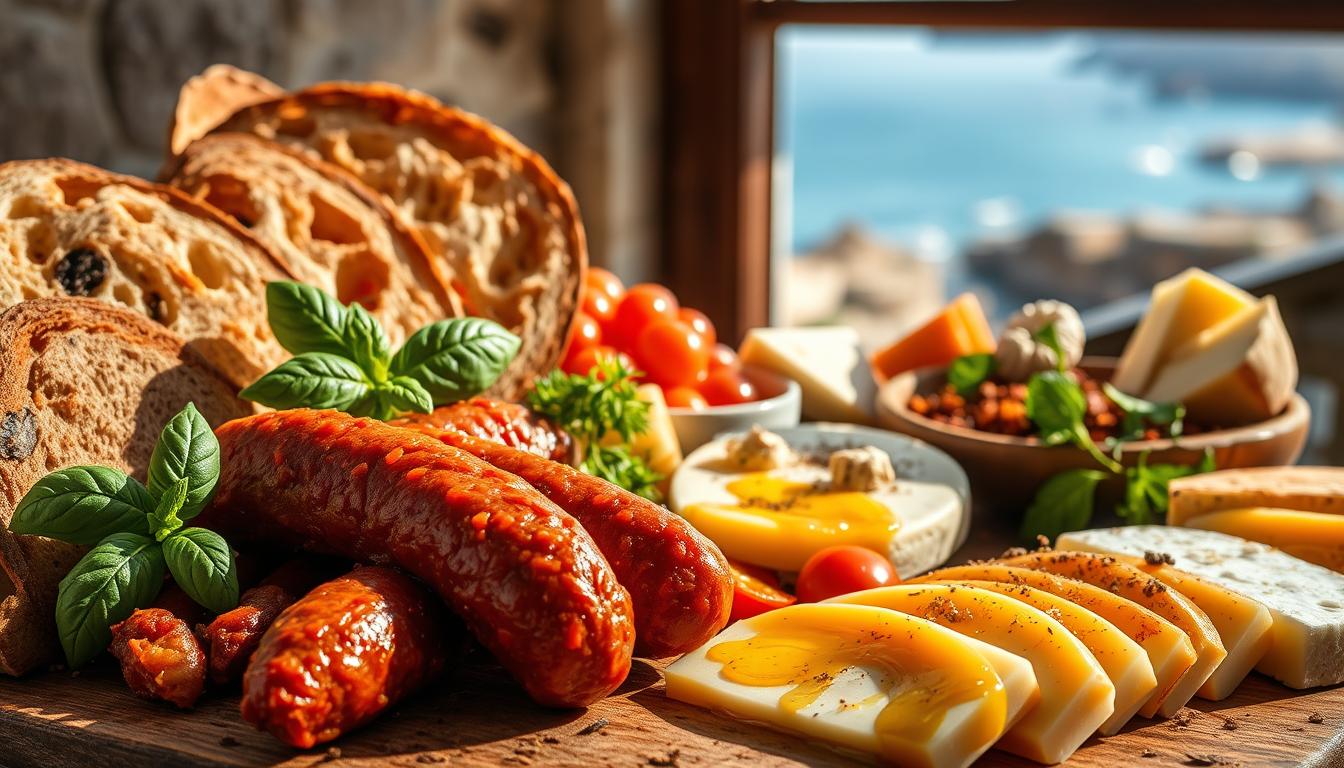
My journeys across Italy have revealed a profound truth. The country’s authentic culinary culture often remains hidden beneath layers of international misconception. Beyond the familiar lies a world of secret italian foods, waiting for those willing to explore.
The true depth of italian cuisine extends far beyond the pasta and pizza known worldwide. It is a complex tapestry woven from regional identities and historical necessity. The ingenuity of local people transformed scarcity into culinary art.
Calabria stands as a powerful example of this hidden world. Here, the fiery spreadable salami, ‘nduja, speaks volumes. It tells a story of centuries-old preservation techniques. It shows how communities maintain their gastronomic traditions against the tide of modernization.
What defines authentic food from this region is not just ingredients. It is the cultural context that gives each dishes its soul. Simple sustenance becomes an expression of place and identity, a tradition passed down through time.
This exploration is an invitation. It asks you to reconsider what you know about this beloved cuisine. To move past the comfortable and discover the dishes that reveal the true heart of Italy’s diverse landscape. Each recipe is a journey through time, carrying the memory of its creators.
Key Takeaways
- Authentic Italian culinary culture is often hidden behind popular international dishes.
- Regional cuisines, like Calabria’s, are deeply tied to local history and identity.
- ‘Nduja is a celebrated example of traditional preservation techniques and bold flavors.
- The meaning of a dish comes from its cultural context, not just its ingredients.
- Exploring lesser-known foods offers a deeper understanding of Italy’s true culinary soul.
Exploring the Hidden Culinary Traditions of Italy
Understanding Italian food requires a shift in perspective, from a national cuisine to a collection of fiercely independent regional traditions. For centuries, Italy was a patchwork of separate states. This long-standing division allowed each area to develop a unique culinary character.
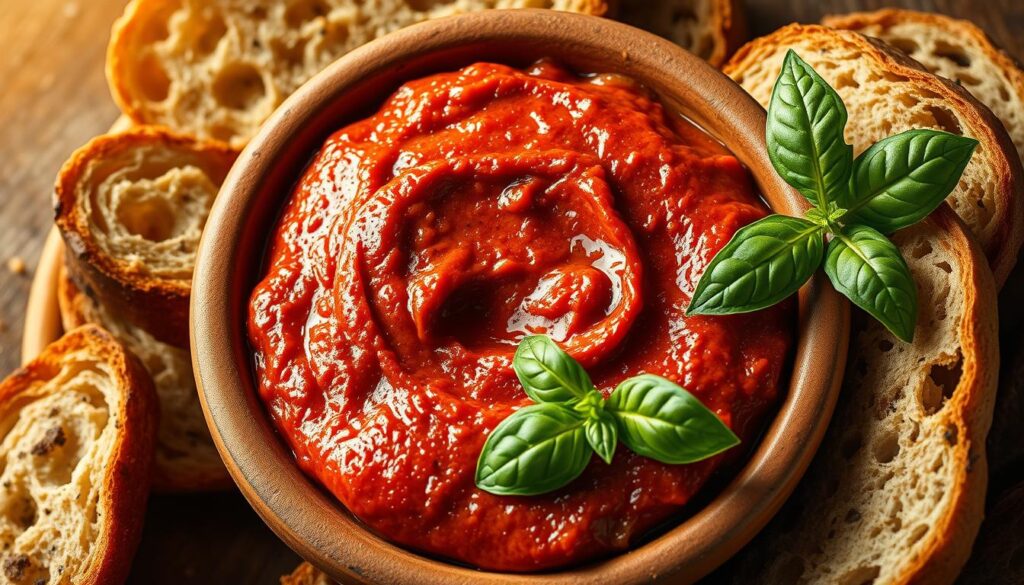
The Calabria Connection: Nduja and Its Fiery Roots
Nowhere is this local identity more pronounced than in Calabria. Here, ‘nduja embodies the region’s spirit. This spreadable, intensely spicy salami was born from necessity—a brilliant method of preserving meat in a hot climate.
Today, it stands as a bold declaration of flavor. It tells a story of resourcefulness that defines so many regional dishes.
Regional Tales: From Pasta to Peculiar Specialties
Geography dictates the menu. Coastal communities perfected seafood dishes, while inland areas relied on preserved meats and hearty pasta preparations. The cooking methods are a direct response to the environment.
This philosophy of using local, seasonal ingredients—from olive oils to unique cheeses—creates an authenticity that mass-produced pizza cannot replicate. Many peculiar dishes emerged from a history of making the most of every resource.
This tradition of ingenuity continues to evolve. Younger generations now reinterpret these classic dishes for modern palates, ensuring the traditions live on.
Discovering Secret Italian Foods Across Italy
Beyond the well-trodden paths of popular Italian cuisine lies a mosaic of regional specialties waiting to be discovered. My travels have taught me that the most authentic italian dishes often remain hidden within their local contexts.
These culinary treasures reveal how geography and history shape each region’s unique approach to food. The recipes tell stories of adaptation and creativity.
Unveiling Dishes from Sicily to Tuscany
Sicily’s arancini demonstrate the island’s baroque sensibility. These golden rice balls feature a crispy exterior giving way to creamy ragù sauce and molten mozzarella. The contrast in textures creates a memorable experience.
Rome offers its own version of fried rice with supplì. The stretched cheese when bitten earned them the name “al telefono.” Each region interprets similar ingredients differently.
Tuscany’s coastal specialty, cacciucco, transforms the day’s catch into a democratic stew. Simmered with garlic and tomato, this dish welcomes whatever the sea provides.
Northern dishes like canederli bread dumplings show Alpine resourcefulness. They transform stale bread into comforting meals, often seasoned with black pepper and served with rich olive oil.
Uncovering Italy’s Offbeat and Innovative Specialties
The true measure of a cuisine’s creativity often lies not in its most celebrated dishes, but in its most resourceful ones. Across Italy, I’ve discovered preparations that transform humble ingredients into extraordinary experiences.
Street Food Wonders and Bold Flavors
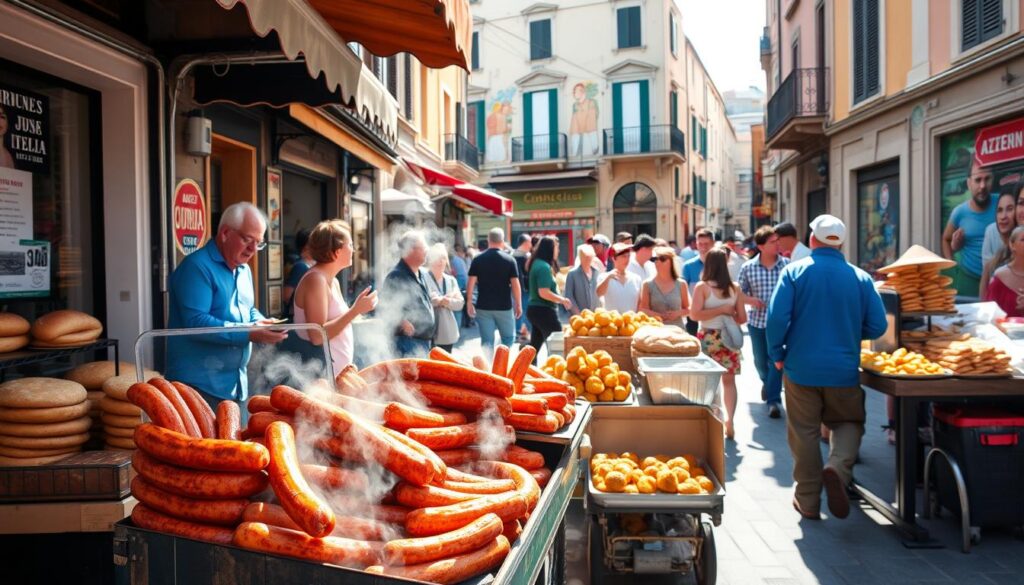
Florence’s lampredotto stands as a masterpiece of street food innovation. This sandwich features bovine stomach slowly cooked with tomato and herbs, then served in unsalted bread with a vibrant green sauce.
In Palermo, the meusa sandwich demonstrates similar ingenuity. Veal spleen and lung become a celebrated filling, often enhanced with a squeeze of lemon or local cheese.
From Lampredotto to Mule’s Balls: Ingenuity in Italian Cuisine
Roman taverns serve pajata, where calf intestines create a rich sauce for pasta that embodies rustic sophistication. The preparation requires careful cooking to achieve its distinctive texture.
Sardinia’s casu frazigu represents perhaps the most adventurous cheese tradition. Through intentional aging processes, this specialty develops flavors unavailable through conventional methods.
These dishes share a common thread: they emerged from necessity yet achieved artistry. They challenge us to reconsider what constitutes fine food.
Conclusion
The journey through Italy’s culinary landscape reveals that authenticity cannot be mass-produced. True flavor emerges from specific places and traditions, not standardized recipes. This understanding transforms how we approach a meal.
These regional specialties represent more than mere cooking. They are cultural artifacts that preserve the way communities have related to their environment across time. Each dish tells a story of the people who created it.
Bringing these discoveries to your table, perhaps with a complementary wine, elevates dining into cultural engagement. This approach to cuisine offers rewards beyond taste—it provides genuine insight into Italy’s diverse culinary soul.