

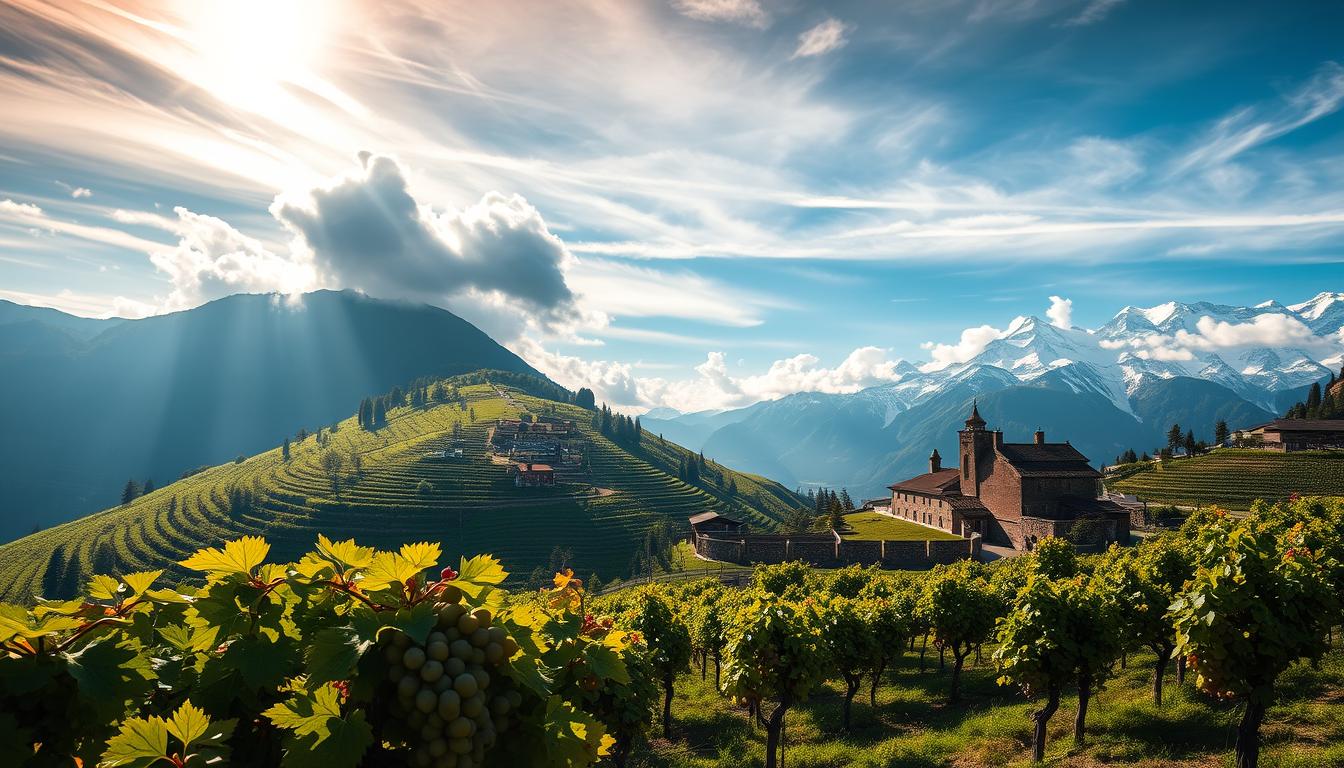
My most profound discoveries in the world of wine have never come from famous appellations. They emerge from obscure corners where tradition and terroir create something truly unique. Valtellina, a region that perfectly embodies this philosophy, captured my imagination completely.
This area borders Switzerland and stretches west from Lake Como. It is often called the land of “Mountain Nebbiolo.” The viticulture here is heroic, even extreme. Some slopes are so steep they require funicular access. At harvest, grapes are sometimes airlifted out by helicopter.
This challenging environment shapes the local Nebbiolo grape, known as Chiavennasca. The mountain air and dramatic terrain create expressions that are leaner and more elegant than those from better-known regions. The resulting bottles offer exceptional character and quality at a remarkable value.
My exploration of this and other overlooked areas revealed authentic stories of place. I approach these finds not as a critic, but as an explorer documenting genuine terroir. They represent more than alternatives; they embody regional identity and Italy’s true viticultural diversity.
Key Takeaways
- Valtellina is a distinct wine region in northern Italy, known for its heroic, mountain-side vineyards.
- The primary grape is Nebbiolo, locally called Chiavennasca, which produces elegant, structured wines.
- Viticulture here is extreme, with some vineyards accessible only by funicular or helicopter.
- These wines offer a compelling and often more affordable expression of Nebbiolo compared to famous regions.
- Exploring such areas reveals the incredible depth and diversity of Italy’s wine landscape.
- The wines tell a unique story of cultural preservation and a deep connection to a challenging terroir.
A Journey Into Valtellina’s Alpine Vineyards
The first impression of Valtellina is one of sheer verticality. Terraced vineyards scale the mountainsides like ancient staircases, a testament to human determination against a formidable landscape.
The Unique Terroir of Valtellina
This region possesses a terroir shaped by opposing forces. Alpine coolness meets residual Mediterranean warmth in a narrow valley. This creates a microclimate that forces the Nebbiolo grape, locally called Chiavennasca, to express itself with precision.
The grapes develop a leaner, more aromatic profile than those from Piedmont. Volcanic and glacial soils contribute a distinct mineral drive. Dramatic temperature shifts between day and night lock in freshness and structure.
Mountain Vineyards and Accessibility
Viticulture here is heroic. Some vineyard plots are so steep they are accessible only by funicular. At harvest, grapes are sometimes transported by helicopter.
This extreme effort is embodied by wineries like AR.PE.PE. The Pelizzatti Perego family’s knowledge spans over 150 years. Their Valtellina Superiore Sassella Riserva offers a revelation.
It presents notes of cherry, red currant, and raspberry. The wine is elegant and balanced, a graceful expression of mountain vines. It pairs beautifully with local risotto and sausage.
Every bottle from this region tells a story of passion overcoming geography. It is more than fermented juice; it is a liquid chronicle of place.
Exploring Hidden Italian Wines: Lesser-Known Gems
The discovery process started with a simple yet radical approach: embracing chance over certainty. I placed all twenty wine-producing regions into a hat, drawing them one by one to guide my exploration.
Off the Beaten Path Discoveries
This method revealed Italy’s incredible diversity beyond the famous “Big B” wines. Over thirty different bottles taught me that true value lies in authentic regional expressions.
The principle “what grows together goes together” proved profoundly accurate. Regional wine and cuisine evolved in perfect harmony over centuries.
I discovered passionate vintners working with indigenous grape varieties. Their creations offered exceptional quality at accessible prices.
Each tasting became an education in Italy’s viticultural heritage. The flavor notes and structural elements challenged my palate in refreshing ways.
This journey revealed that a €12 bottle can deliver more authentic pleasure than celebrated labels. It requires approaching each wine with curiosity rather than prejudice.
Aperitivo Selections: Sparkling and Rosato Wines
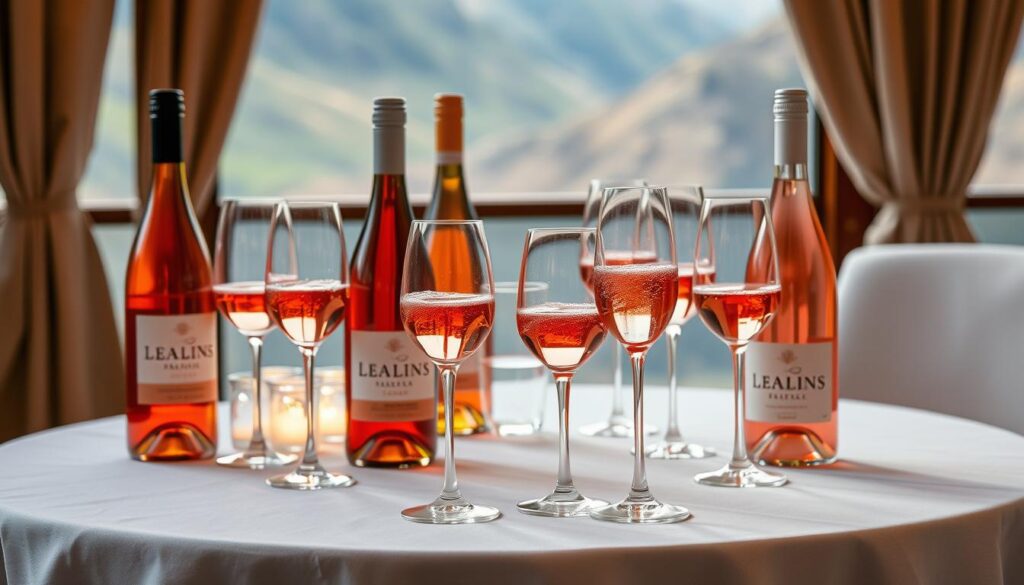
My search for perfect aperitivo pours led me to two stunning examples from opposite ends of the country. This pre-dinner ritual is a cultural touchstone, a moment for light, stimulating wine.
Franciacorta DOCG Satèn by Mirabella
From Lombardy, Mirabella’s Satèn offers a revelation. This sparkling wine is crafted exclusively from Chardonnay grapes.
It undergoes 24 months of aging on the lees. This develops complex aromas of apricot and brioche. The pressure is lower than standard Franciacorta, creating a satin-like texture.
The delicate bubbles and crisp acidity make it profoundly elegant. It pairs beautifully with gorgonzola, showcasing a distinct Italian sensibility.
Nerello Mascalese Rosato by Feudo Montoni
From the slopes of Mount Etna comes a different expression. Feudo Montoni’s rosato presents a luminous pink color.
This wine delivers vibrant red fruit flavors and a stony minerality. Its remarkable value brings volcanic terroir within reach.
The finish is clean and refreshing, with subtle spicy notes. It is an ideal companion for a Sicilian sunset and light appetizers.
These two wines demonstrate the breadth of excellent sparkling wines available for the aperitivo hour.
First Courses and Italian Whites: A Culinary Pairing
First courses demanded wines with substance and character, leading me to Campania’s volcanic slopes. The transition from light aperitivo pours to substantial primi piatti revealed white wines with remarkable depth.
Fiano by Rocca del Principe
Fiano, meaning “beloved of bees,” is one of Campania’s oldest native grapes. Nearly extinct after WWII, dedicated producers rescued this variety. The volcanic soils of Fiano di Avellino DOCG impart distinctive mineral character.
Rocca del Principe’s expression captivated me immediately. Aurelia Fabrizio and Ercole Zarrella craft a white wine that unfolds in multiple acts. It opens with lemongrass and white flower aromas, then reveals crushed stone minerality.
The palate experiences a vibrant zing of acidity that mellows into creaminess. A hint of bitter nuttiness marks the satisfying finish. This white wine demonstrates impressive textural complexity.
| White Wine | Region | Key Characteristics | Perfect Pasta Pairing |
|---|---|---|---|
| Fiano di Avellino | Campania | Full-bodied, mineral-driven, aging potential | Lemon ricotta pasta with basil |
| Vermentino | Liguria | Bright citrus, saline finish | Pesto linguine |
| Greco di Tufo | Campania | Peachy aromas, crisp acidity | Seafood spaghetti |
Iconic Italian Whites Beyond Pinot Grigio
The Pinot Grigio phenomenon of the 1990s obscured Italy’s true white wine diversity. Mass-produced versions flooded markets, damaging reputations for decades.
“What grows together goes together—this principle finds perfect expression in Campania’s culinary traditions.”
Exploring beyond commercial offerings reveals stunning indigenous varieties. These wines offer exceptional value and authentic regional character. The right white wine transforms a simple pasta dish into a cultural experience.
Fiano’s vibrant acidity cuts through ricotta’s richness while citrus notes harmonize with lemon. Herbal undertones echo basil’s aromatics. This food and wine pairing demonstrates centuries of regional wisdom.
Regional Red Wine Adventures: From Valtellina to Abruzzo
My journey through Italy’s red wine landscape took me from the steep terraces of Valtellina to the sun-drenched hills of Abruzzo. This geographical exploration revealed how dramatically terroir shapes the same grape variety across different regions.
Valtellina Superiore – Sassella Riserva Vigna Regina
AR.PE.PE.’s Sassella Riserva embodies mountain Nebbiolo’s elegance. The wine presents delicate cherry and red currant notes with remarkable balance. Six generations of family knowledge shine through in this Alpine expression.
Montepulciano d’Abruzzo Riserva ‘Zanna’
Illuminati’s ‘Zanna’ Riserva surprised me with its sophistication. From 45-year-old vines, this red wine offers dark cherry aromas and velvety tannins. Two years in Slavonian oak created perfect integration.
Abruzzo holds personal significance as my ancestral homeland. Tasting these wines felt like discovering family roots through each bottle. The contrast between regions demonstrates Italy’s incredible red wine diversity.
Southern Italian Reds: Bold Flavors of Campania and Calabria
Exploring southern Italy’s wine regions revealed expressions of power and structure unlike any I’d encountered. The volcanic soils and intense Mediterranean sun create reds that demand attention.
Colli di Salerno by Montevetrano
Silvia Imparato’s journey from hobbyist to producer embodies the region’s renaissance. Her Colli di Salerno blend combines 50% Cabernet, 30% Aglianico, and 20% Merlot.
This wine presents blackberry aromas with spice and leather notes. The palate experiences dark cherry flavors supported by fine tannins. What impressed me was the balance between power and elegance.
The international varieties tame Aglianico’s natural acidity, creating approachability now with aging potential. This red wine demonstrates exceptional quality from an underrated region.

Culinary Pairings for Robust Reds
These bold reds require equally substantial food. Grilled meats and aged cheeses stand up to their intensity.
Rich tomato-based pasta dishes harmonize beautifully. The blend‘s structure complements hearty regional cuisine. Each sip reveals why this grape thrives in southern terroir.
Rare Varietals: Susumaniello, Verdeca, and Beyond
The true treasures of Italian wine culture often lie in the obscure varietals that nearly vanished from cultivation. These rare grape varieties represent living heritage, their revival speaking to passionate producers’ dedication.
Susumaniello’s Unique Expression
Susumaniello captivated me with its story and substance. The name derives from local dialect for “donkey,” reflecting this variety‘s prodigious productivity. Modern vineyard management transforms it into something remarkable.
Vinicola Palamá’s Ninì Palamà Rosso showcased perfect balance. Deep ruby color revealed intense red berry flavors with spicy notes. At just 12.5% alcohol, its vibrant acidity made it exceptionally food-friendly.
Verdeca’s Vibrant Acidity
Verdeca presents a different challenge in southern italy. Its name references the green hue of the grapes, and the best expressions showcase explosive high acidity.
Palamà’s Albarossa Bianca burst with citrus intensity—lemon, grapefruit, and hints of green apple. Savory herb notes complemented the refreshing minerality. These wines made with care demonstrate what careful viticulture achieves.
Each sip of these rare varieties expanded my understanding of what wine can be. They offer genuinely unique profiles impossible to find elsewhere.
Exploring Emerging Italian Wine Regions and Techniques
The tension between preservation and progress defines Italy’s most exciting emerging wine regions. This dynamic creates a fascinating landscape where ancient methods meet contemporary thinking.
Innovative Winemaking Techniques
What you’ll find in these areas are producers balancing respect for tradition with thoughtful experimentation. The biodynamic movement represents more than agricultural technique—it’s a philosophical approach viewing vineyards as living ecosystems.
Orsogna cooperative’s Lunaria project demonstrates how scale and quality can coexist. Their 511 hectares of biodynamic vines form Italy’s most extensive operation of this style.
This method involves natural preparations and lunar cycles rather than synthetic inputs. The resulting wine made through these practices often expresses terroir with remarkable clarity.
Regional Terroir and Tradition
Young winemakers frequently return to family vineyards with fresh perspectives. They rescue abandoned indigenous varieties while honoring regional identity.
The best innovations serve terroir expression rather than obscuring it. Whether in southern Italy or northern hills, this balance creates wines of genuine character.
You’ll find these bottles offer both traditional roots and contemporary relevance. They represent Italian wine’s future—where quality and accessibility align beautifully.
Conclusion
The most enduring lesson from this exploration is that genuine discovery requires surrendering preconceptions and embracing uncertainty. Moving beyond celebrated labels revealed a world where authentic character triumphs over commercial appeal.
What unites these diverse expressions is a profound commitment to place. Producers prioritize terroir expression, nurturing indigenous grape varieties that tell unique stories. The resulting wines offer remarkable quality and distinctive flavors.
You’ll find these bottles represent more than fermented juice. They are liquid chronicles of cultural heritage, connecting specific vineyard sites to regional food traditions. The complex notes and structural elements challenge the palate in refreshing ways.
This journey through hidden Italian wines reaffirms that the wine world still holds genuine treasures for curious explorers. Each bottle invites you to experience Italy’s authentic diversity beyond tourist clichés.